Instructions
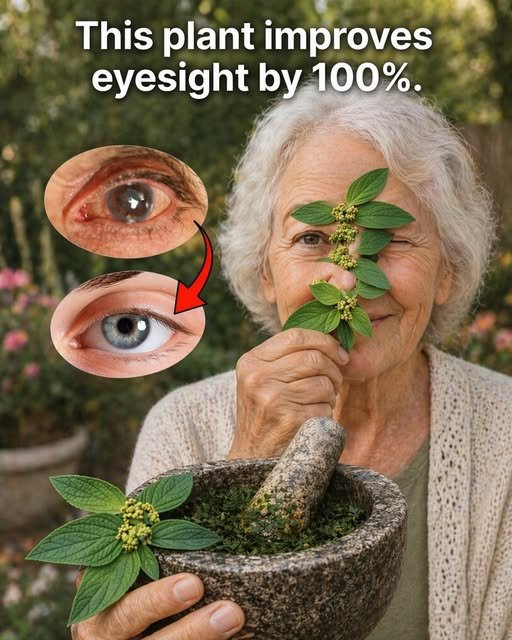
- Identification is Paramount: Before beginning, ensure absolute certainty of plant identification. The plant in question, often associated with “Big-Leaf Milkweed” in some traditional claims, strongly resembles *Euphorbia hirta* (garden spurge). *Asclepias* (true milkweeds) are distinct and contain different compounds. **NEVER consume or apply a plant without 100% positive identification by a qualified botanist or herbalist.** For the purpose of this instructional guide, we are proceeding with the assumption of using *Euphorbia hirta* as it appears to be the plant in the image.
- Harvesting (If Applicable): If responsibly wildcrafting *Euphorbia hirta*, choose healthy plants away from polluted areas. Gently snip 1-2 sprigs (approximately 4-6 inches long) using clean scissors. Handle with gloves, as the sap of *Euphorbia* species can be irritating.
- Cleaning the Herb: Rinse the harvested sprigs thoroughly under cool, running water to remove any dirt, insects, or debris. Pat dry gently with a clean cloth.
- Preparing for Crushing: Remove any overly thick stems or discolored leaves. For topical applications like a poultice or compress, you may use fresh material. For an infusion, drying the herb first can concentrate its compounds, but for this traditional approach, fresh is often used.
- Crushing the Herb: Place the cleaned sprigs (leaves and small stems) into a clean mortar. Using a pestle, gently but firmly crush and grind the plant material. The goal is to break down the plant fibers and release its internal compounds, creating a coarse paste or finely crushed material. This process mimics the traditional preparation seen in the inspiration image.
- For a Traditional Poultice/Compress (Topical Application):
- Once the herb is finely crushed, you have two primary options for a compress:
- Direct Poultice: Gather the crushed plant material and place it directly onto a clean, sterile gauze or cloth. Fold the cloth to enclose the herb.
- Infused Compress: Alternatively, place the crushed herb into a heat-safe bowl. Bring 1 cup of purified water to a gentle simmer (not a rolling boil). Pour the hot water over the crushed herb and let it steep for 10-15 minutes, allowing it to cool slightly. Strain the liquid, pressing down on the solids to extract as much liquid as possible. Discard the solids. Soak a clean cloth or sterile gauze in the warm herbal infusion.
- Once the herb is finely crushed, you have two primary options for a compress:
- Application (With Extreme Caution):
- **For any topical application, especially near sensitive areas like the eyes, perform a patch test first on a small, inconspicuous area of skin (e.g., inner forearm) and wait 24 hours for any adverse reactions (redness, itching, irritation).**
- If using a direct poultice, apply the cloth containing the crushed herb to the desired area.
- If using an infused compress, gently wring out the excess liquid from the soaked cloth, ensuring it is damp but not dripping. Apply the warm, damp cloth to the desired area.
- Leave the compress in place for 10-15 minutes. Discard the used herb and cloth responsibly.
- **For a Traditional Infusion/Tea (Internal Use – STRONGLY DISCOURAGED WITHOUT EXPERT GUIDANCE):**
- While some traditional systems have used *Euphorbia hirta* internally, its internal consumption carries significant risks due to potential toxicity and interactions. **We strongly advise against internal consumption without direct, professional guidance from a qualified herbalist or medical practitioner familiar with this specific plant and your health history.**
- If, under expert guidance, an infusion is deemed appropriate, the process would involve steeping the crushed herb in hot water as described in step 6.2, then straining and consuming the liquid. However, **due to the high risk of toxicity and lack of scientific validation for this specific application, we cannot provide further instruction or endorsement for internal use.**
Cooking Tips and Variations
Given the nature of this herb and its traditional use primarily for topical applications or highly guarded internal use under expert supervision, “cooking tips” in the conventional sense are not applicable. Instead, we focus on responsible preparation and safe variations of traditional methods.
- Precision in Crushing: For a poultice, aim for a finer crush to maximize the release of plant compounds. A coarse paste is generally sufficient.
- Temperature Control for Infusions: When making an infused compress, ensure the water is hot enough to extract compounds but not boiling violently, which can degrade some sensitive plant constituents. Allowing it to cool to a comfortable, warm temperature before application is crucial to avoid burns.
- Alternative Carriers for Poultices: Traditionally, other substances like clay or a small amount of oil might have been mixed with crushed herbs to form a more cohesive poultice. However, for initial exploration, a simple water-based compress is safer to assess skin reaction.
- Dosage and Duration: In traditional practices, the “dosage” for topical applications would be intuitive, based on the amount of plant material. For safety, always start with a very small amount and short application time.
- Fresh vs. Dried: While fresh *Euphorbia hirta* is often used in traditional poultices, drying the herb can concentrate certain compounds. If drying, spread the washed sprigs in a single layer in a well-ventilated, shaded area until brittle. Then, crush the dried material.
Storage and Reheating
Herbal preparations like poultices and infusions are generally meant for immediate use and are not ideal for storage or reheating, especially when dealing with fresh plant material that can quickly degrade or become contaminated.
- Fresh Herb: If you must store fresh *Euphorbia hirta* for a very short period (1-2 days), wrap it loosely in a damp paper towel and place it in a breathable bag in the refrigerator. Use as quickly as possible.
- Crushed Herb: Once crushed, the plant material should be used immediately. Its potency and freshness diminish rapidly upon exposure to air. Do not store crushed fresh herbs.
- Infusions/Compress Liquids: Herbal infusions should be used fresh. If you prepare an infused liquid for a compress, use it within a few hours. Do not store it overnight or reheat it, as microbial growth can occur, and compounds can degrade. Discard any unused liquid.
- Dried Herb (for future use): If you choose to dry *Euphorbia hirta* for later use, ensure it is completely dry to prevent mold. Store the whole dried sprigs or loosely crushed dried material in an airtight container away from direct sunlight and humidity. Label clearly with the plant name and date. Dried herbs generally maintain their potency for 6 months to 1 year, but this can vary.
Frequently Asked Questions
What is the difference between “Big-Leaf Milkweed” and *Euphorbia hirta*?
This is a critical distinction for safety. “Big-Leaf Milkweed” typically refers to species within the *Asclepias* genus, which are true milkweeds. These plants are known to contain cardiac glycosides and other compounds that can be toxic if ingested. The plant depicted in the inspiration image, despite some traditional claims, does not visually resemble an *Asclepias* species. Instead, it strongly resembles *Euphorbia hirta*, also known as garden spurge or asthma plant. While *Euphorbia hirta* also has traditional medicinal uses, it belongs to a different plant family (*Euphorbiaceae*) and contains different chemical compounds, including latex that can be irritating. Misidentification between these two can lead to serious health risks due to their differing toxic profiles. Always rely on expert botanical identification.
Can this plant truly improve eyesight?
The claim that this plant “improves eyesight by 100%” is a sensational and unsubstantiated claim that lacks scientific evidence. While *Euphorbia hirta* (the likely plant in the image) and other plants have been used in various traditional medicine systems for eye-related conditions, these uses are based on anecdotal evidence and historical practices, not on modern clinical trials demonstrating efficacy or safety. There is no scientific basis to support the idea that applying this plant will restore or improve vision. Any serious eye condition requires immediate attention from a qualified ophthalmologist or medical doctor.
Is it safe to use *Euphorbia hirta* as a home remedy?
Using *Euphorbia hirta* or any wild plant as a home remedy carries significant risks. *Euphorbia* species, including *Euphorbia hirta*, contain a milky latex sap that can be irritating to the skin, eyes, and mucous membranes. Ingesting parts of the plant can cause gastrointestinal upset, vomiting, and diarrhea, and in larger quantities, more severe toxic effects. Furthermore, the compounds in herbs can interact with medications or exacerbate existing health conditions. It is absolutely essential to consult with a healthcare professional or a qualified, experienced herbalist before using *Euphorbia hirta* or any other plant for medicinal purposes, especially for internal consumption or application near sensitive areas like the eyes.
Where can I find *Euphorbia hirta*, and how do I identify it?
*Euphorbia hirta* is a common weed found in tropical and subtropical regions worldwide, often growing in disturbed soils, gardens, roadsides, and open fields. It is characterized by its reddish-green stems, opposite leaves that are often serrated and hairy, and small, clustered flowers (cyathia) that grow in the leaf axils. However, identifying wild plants for medicinal use is extremely challenging and dangerous for the untrained individual. Many plants have similar appearances, and misidentification can lead to exposure to toxic species. **Never forage or use a wild plant for medicinal purposes based solely on descriptions or images without expert, in-person identification by a trained botanist or herbalist. It is far safer to avoid using wild plants for self-medication.**