Introduction
In the vast tapestry of global wellness traditions, certain plants have held revered positions for centuries, their uses passed down through generations. These botanical treasures, often found in our local environments, invite us to explore a rich history of human interaction with the natural world. Today, we turn our attention to a plant often referred to as “Big-Leaf Milkweed” in traditional contexts, particularly in discussions surrounding eye health. While the phrase “improves eyesight by 100%” might catch the modern eye with its sensational promise, it’s crucial to approach such claims with a blend of curiosity for traditional wisdom and a healthy dose of scientific discernment.
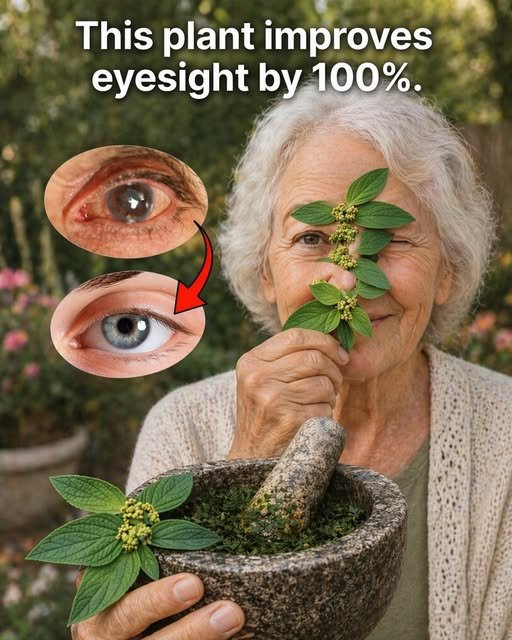
This article delves into the fascinating realm of traditional herbal practices, specifically examining the plant depicted in our inspiration image. It’s important to note that what is often colloquially called “Big-Leaf Milkweed” in some traditional discussions, and the plant visually presented, may not align with the botanical classification of true *Asclepias* milkweeds. Indeed, the plant in question bears a striking resemblance to *Euphorbia hirta*, also known as garden spurge or asthma plant, which holds its own significant place in ethnobotany across various cultures. Our exploration here is not to endorse unproven medical claims, but rather to understand the historical context, traditional preparation methods, and the deep cultural significance these herbs have held. We aim to appreciate the wisdom of the past while firmly grounding our understanding in contemporary safety and scientific principles.
As we embark on this journey, our primary goal is to educate and inform, offering a glimpse into how such herbs might have been traditionally prepared and utilized. We will discuss its general characteristics, geographical distribution, and the historical methods of preparation, such as poultices or infusions. Critically, we will also highlight the paramount importance of plant identification, potential toxicities, and the absolute necessity of consulting healthcare professionals before considering the use of any herb for medicinal purposes. This article serves as an appreciation of traditional knowledge, emphasizing responsible engagement and safety above all else.
Nutritional Information
Per serving (approximate values for a small herbal compress/infusion, assuming minimal ingestion):
- Calories: 2-5
- Protein: 0.1-0.2g
- Carbohydrates: 0.5-1g
- Fat: 0g
- Fiber: 0.1-0.2g
- Sodium: 1-2mg
Ingredients
- 1-2 sprigs of freshly harvested *Euphorbia hirta* (garden spurge), or similar traditionally identified plant (see critical safety warnings below)
- 1 cup purified water (for infusion/compress base)
- Clean cloth or sterile gauze (for compress application)
- Mortar and pestle (for crushing)