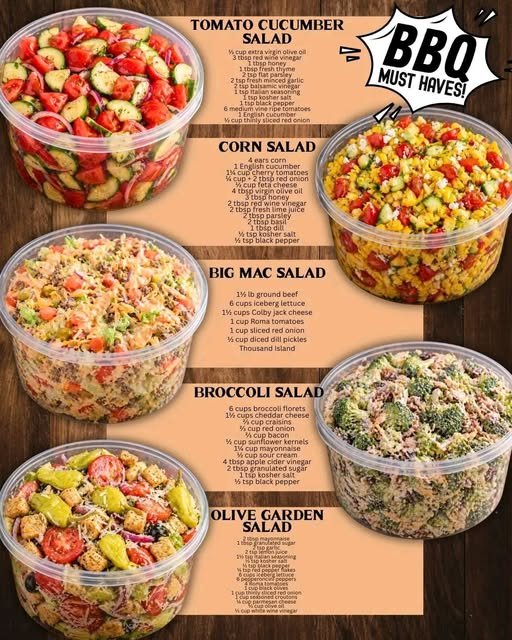
Instructions
- Prepare the Vegetables: Begin by washing your tomatoes and cucumber thoroughly. Core the tomatoes and chop them into uniform 1-inch pieces. For the English cucumber, you can leave the skin on for added nutrition and color; chop it into 1/2-inch pieces.
- Mellow the Red Onion (Optional but Recommended): Thinly slice or finely dice the red onion. If you find raw onion too pungent, place the sliced or diced onion in a small bowl of ice water for 5-10 minutes. This helps to mellow its sharp flavor. Drain thoroughly and pat dry before adding to the salad.
- Combine Vegetables: In a large mixing bowl, gently combine the chopped tomatoes, cucumber, and prepared red onion.
- Prepare the Vinaigrette: In a separate small bowl, whisk together the extra virgin olive oil, red wine vinegar, balsamic vinegar, finely chopped fresh thyme, finely chopped fresh parsley, minced garlic, honey (if using), Italian seasoning, Kosher salt, and freshly ground black pepper. Whisk vigorously until the dressing is well combined and slightly emulsified.
- Dress the Salad: Pour the prepared vinaigrette over the chopped vegetables in the large mixing bowl.
- Toss Gently: Using a large spoon or spatula, gently toss the salad to ensure all the vegetables are evenly coated with the dressing. Be careful not to mash the tomatoes.
- Marinate for Flavor: For optimal flavor, cover the bowl and refrigerate the tomato cucumber salad for at least 30 minutes, or up to 2 hours, before serving. This allows the flavors to meld beautifully.
- Taste and Adjust: Before serving, give the salad a final taste and adjust seasoning if necessary. You might want to add a pinch more salt, pepper, or a tiny splash of vinegar for extra brightness.
- Serve: Serve chilled as a refreshing side dish or light meal.
Cooking Tips and Variations
To truly master this Tomato Cucumber Salad and make it your own, consider these tips and variations:
Tomato Selection: The foundation of this salad is ripe tomatoes. Opt for vine-ripe, locally sourced tomatoes when possible. Different varieties like cherry tomatoes halved, or heirloom tomatoes chopped, can add visual appeal and varying degrees of sweetness and acidity. Always ensure they are firm but yielding, never mushy.
Cucumber Preparation: English cucumbers are preferred for their thin skin and fewer seeds, eliminating the need for peeling or seeding. If using standard garden cucumbers, you might want to peel them if the skin is thick or waxy, and scoop out the watery seed core before chopping to prevent the salad from becoming overly diluted.
Onion Mellowing: As mentioned in the instructions, soaking red onion in ice water is a game-changer for those who find its raw bite too strong. This simple step significantly reduces its pungency, leaving a milder, more pleasant flavor.
Vinaigrette Emulsification: Whisking your vinaigrette vigorously is crucial. This process emulsifies the oil and vinegar, creating a creamy, cohesive dressing that clings better to the vegetables and ensures an even distribution of flavor. For a more stable emulsion, you can slowly drizzle in the olive oil while continuously whisking.
Chilling is Key: Don’t skip the chilling step! Allowing the salad to marinate in the refrigerator for at least 30 minutes, or even an hour, allows the flavors from the dressing to penetrate the vegetables, resulting in a more harmonious and delicious final dish. The cold temperature also enhances the refreshing quality.
Herb Freshness: Fresh herbs are non-negotiable for this salad. While dried herbs can be used in a pinch, they lack the vibrant aroma and taste that fresh thyme and parsley bring. Experiment with other fresh herbs like dill, mint, or oregano for different flavor profiles.
Add a Touch of Sweetness: The optional honey in the dressing helps to balance the acidity of the vinegars and bring out the natural sweetness of the tomatoes. A tiny pinch of sugar can also achieve a similar effect if you prefer.
Serving Suggestions: This salad is incredibly versatile. Serve it alongside grilled chicken, baked fish, or a juicy steak. It’s also fantastic with falafel, as part of a Mediterranean platter, or simply scooped onto crusty bread. For a heartier meal, consider adding cooked quinoa or chickpeas.
Variations to Explore:
- Feta or Goat Cheese: Crumbled feta or soft goat cheese adds a creamy, tangy, and salty dimension that pairs beautifully with the fresh vegetables.
- Olives: Sliced Kalamata or black olives introduce a briny, savory note.
- Avocado: Diced avocado can add a creamy texture and healthy fats, but add it just before serving to prevent browning.
- Bell Peppers: Diced red or yellow bell peppers can add extra crunch and a touch of sweetness.
- Chickpeas: For a more substantial, protein-packed salad, toss in a can of rinsed and drained chickpeas.
- Spicy Kick: A pinch of red pepper flakes in the dressing can add a subtle heat.
- Lemon Zest: A little lemon zest grated into the dressing can brighten all the flavors.
Storage and Reheating
This Tomato Cucumber Salad is truly at its best when served fresh, ideally within a few hours of preparation, after it has had a chance to chill and for the flavors to meld. The vegetables retain their crispness and vibrant texture most effectively during this time.
If you have leftovers, you can store the salad in an airtight container in the refrigerator for up to 1-2 days. However, be aware that the vegetables, particularly the tomatoes and cucumbers, will release more water over time. This can cause the salad to become a bit watery and the vegetables to soften. While still perfectly edible, the texture will not be as crisp as when freshly made.
This salad is not suitable for reheating. It is a cold dish, and warming it would negatively impact the texture and freshness of the raw vegetables. If you find the salad has become too watery after storage, you can gently drain off some of the excess liquid before serving. For best results, try to make only as much as you anticipate eating in a day or two.
Frequently Asked Questions
How can I prevent my salad from becoming watery?
To minimize wateriness, use firm, ripe tomatoes and English cucumbers (which have less water content). You can also lightly salt the chopped cucumbers and let them sit in a colander for 15-20 minutes to draw out excess moisture, then pat them dry before adding to the salad. Additionally, avoid over-dressing the salad too far in advance; adding the dressing closer to serving time helps prevent sogginess.
Can I make this salad ahead of time for a party?
You can prepare the vegetables and the dressing separately up to 24 hours in advance. Store them in airtight containers in the refrigerator. Combine the vegetables and dressing about 1-2 hours before serving, allowing just enough time for the flavors to meld without the salad becoming overly watery or soft. This ensures the freshest taste and best texture for your guests.
What’s the best way to choose ripe tomatoes for this salad?
Look for tomatoes that are brightly colored, firm to the touch but with a slight give when gently squeezed, and feel heavy for their size. They should also have a fragrant, earthy smell at the stem end. Avoid tomatoes with soft spots, bruises, or a mealy texture.