Instructions
- Prepare and Season the Tilapia: Rinse the whole tilapia fish thoroughly under cold water, both inside and out. Pat them completely dry with paper towels; this is crucial for crispy skin. Make 2-3 diagonal scores on each side of the fish. Season generously with salt and black pepper, both inside the cavity and all over the scored skin. You can also add a pinch of garlic powder or onion powder for extra flavor. Let the fish sit for at least 15-20 minutes to absorb the seasoning.
- Fry the Tilapia: Heat 1/4 cup vegetable oil in a large, heavy-bottomed skillet or Dutch oven over medium-high heat until shimmering. Carefully place the seasoned tilapia into the hot oil. Fry for 5-7 minutes per side, or until the skin is golden brown and crispy, and the fish is cooked through. The cooking time will vary depending on the thickness of your fish. Avoid overcrowding the pan; fry one fish at a time if necessary. Once fried, carefully remove the fish and place them on a plate lined with paper towels to drain excess oil. Set aside.
- Prepare the Stew Base: In the same skillet (after carefully draining excess oil if necessary, leaving about 2 tablespoons), reduce the heat to medium. Add the finely chopped yellow onion and sauté for 5-7 minutes until softened and translucent.
- Add Bell Peppers and Aromatics: Stir in the diced red and green bell peppers. Cook for another 5 minutes until they begin to soften. Add the minced garlic, grated ginger, and chopped Scotch Bonnet or Habanero peppers. Sauté for 2-3 minutes until fragrant, being careful not to burn the garlic.
- Build the Tomato Base: Stir in the tomato paste and cook for 2 minutes, stirring constantly, to deepen its flavor. Pour in the blended or chopped fresh tomatoes (or canned diced tomatoes).
- Add Spices and Simmer: Add the smoked paprika, curry powder, dried thyme, and bay leaf. Season with a pinch of salt and black pepper. If using, crumble in the bouillon cube. Pour in the fish or vegetable broth (or water). Bring the stew to a gentle simmer, then reduce the heat to low, cover, and let it cook for 15-20 minutes, stirring occasionally, allowing the flavors to meld and the sauce to thicken slightly. The oil should start to separate and rise to the top, indicating the stew is cooking well.
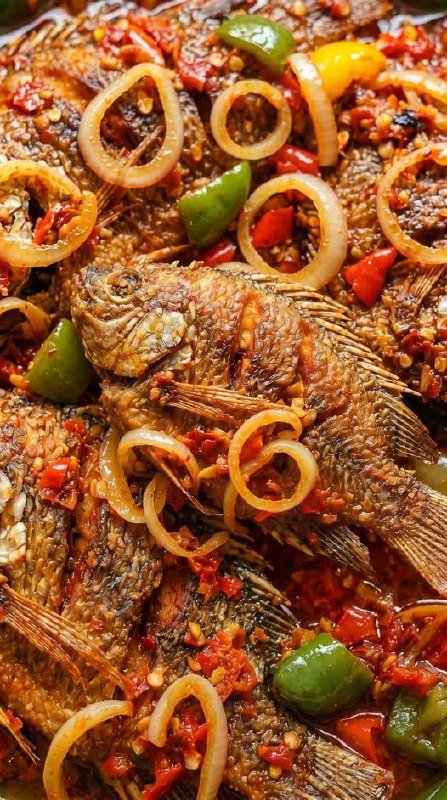
- Combine Fish and Stew: Taste the stew and adjust seasoning as needed. Gently nestle the fried tilapia into the simmering stew. Spoon some of the stew over the fish to coat it. Cover the pot and let it simmer for another 5-10 minutes. This allows the fish to absorb the flavors of the stew without becoming mushy, and ensures it’s thoroughly heated through. Be gentle when stirring or moving the fish to prevent it from breaking apart.
- Finish and Serve: Remove the bay leaf. Garnish with fresh chopped cilantro or parsley, if desired. Serve the Tilapia Stew immediately with your favorite accompaniment.
Cooking Tips and Variations
Tips for Success
- Dry Fish is Key for Crispy Skin: After rinsing, pat the tilapia absolutely dry with paper towels. Moisture is the enemy of crispiness. You can even let the fish air dry in the refrigerator for 30 minutes to an hour after patting dry.
- Scoring the Fish: Making diagonal scores on the fish not only helps the seasoning penetrate deeper but also allows for more even cooking and helps the skin crisp up beautifully.
- Don’t Overcrowd the Pan: When frying the fish, ensure there’s enough space between them. Overcrowding lowers the oil temperature, leading to steamed rather than fried fish. Fry in batches if necessary.
- Layer Flavors: Cook the aromatics and tomato paste thoroughly before adding liquid. This develops a deeper, richer flavor in your stew base.
- Low and Slow Simmer: Allow the stew to simmer gently for the recommended time. This gives the ingredients time to meld and the sauce to thicken to the perfect consistency.
- Gentle Handling: Tilapia is a delicate fish. Handle it gently, especially when adding it to the stew and serving, to prevent it from flaking apart prematurely.
- Taste and Adjust: Always taste your stew before serving and adjust salt, pepper, and spice levels to your preference.
Variations
- Different Fish: While tilapia is excellent, you can substitute with other firm white fish like cod, snapper, sea bass, or even catfish. Adjust cooking times accordingly, especially if using fillets.
- Fish Fillets: If you prefer fillets over whole fish, you can still pan-fry them until crispy, then gently add them to the stew for the last 5-7 minutes. This is a great option for those who find whole fish intimidating.
- Add More Vegetables: Enhance the nutritional value and texture by adding other vegetables. Sliced carrots, chopped okra, spinach, or even cubed sweet potatoes can be added to the stew base during the simmering stage. Add harder vegetables like carrots earlier to ensure they soften.
- Spice Level: For less heat, use fewer Scotch Bonnet or Habanero peppers, or remove all seeds and membranes. For more heat, add an extra pepper or a pinch of cayenne pepper with the other spices.
- Herb Power: Experiment with different fresh herbs. While cilantro and parsley are classic, a touch of fresh basil or thyme can also add a delightful aroma.
- Smoky Flavor: For an extra layer of smokiness, consider adding a pinch of smoked paprika or a very small amount of liquid smoke to the stew.
- Creamy Touch: For a richer, slightly creamy stew, stir in a tablespoon or two of coconut milk or heavy cream during the last few minutes of simmering.
- Tangy Kick: A squeeze of fresh lime juice just before serving can brighten all the flavors in the stew.
Storage and Reheating
Proper storage and reheating are essential to maintain the quality and safety of your Tilapia Stew.
Storage:
- Allow the stew to cool completely to room temperature (within 2 hours) before storing.
- Transfer the stew, including the fish, to an airtight container.
- Store in the refrigerator for up to 3-4 days.
- For longer storage, you can freeze the stew without the fish. The fish tends to become mushy and lose its texture when frozen and thawed in the stew. If freezing, separate the fish and stew. Freeze the stew in an airtight, freezer-safe container for up to 2-3 months.
Reheating:
- On the Stovetop: This is the preferred method for reheating stew. Gently transfer the desired portion of stew (and fish) to a saucepan. Heat over medium-low heat, stirring occasionally, until hot through. If the stew is too thick, you can add a splash of water or broth to reach your desired consistency. Be very gentle when stirring if the fish is in the stew to prevent it from breaking apart.
- In the Microwave: For individual servings, place the stew (and fish) in a microwave-safe dish. Heat on medium power in 1-minute intervals, stirring gently between intervals, until thoroughly heated. Microwaving can sometimes make the fish a bit rubbery, so stovetop reheating is recommended for best texture.
- From Frozen (Stew Only): Thaw the frozen stew in the refrigerator overnight. Once thawed, reheat on the stovetop as described above. If reheating from frozen without thawing, do so over very low heat, stirring frequently, until the ice melts and the stew heats through.
- Reheating Fish Separately (if frozen stew): If you froze the stew without the fish, you can pan-fry a fresh piece of tilapia or quickly pan-fry the previously fried fish (if you stored it separately) and add it to the reheated stew just before serving for best results.
Frequently Asked Questions
What can I serve with Tilapia Stew?
Tilapia Stew is incredibly versatile and pairs well with a variety of staples. Traditional accompaniments include steamed white rice, brown rice, or jollof rice. For a heartier meal, serve it with fufu, eba, pounded yam, or plantains (fried or boiled). Crusty bread or warm naan bread is also excellent for soaking up the rich, flavorful sauce.
Can I make this stew less spicy?
Absolutely! The spice level is entirely adjustable. To make it less spicy, simply reduce the amount of Scotch Bonnet or Habanero peppers you use. For a very mild stew, you can omit them entirely or use a small amount of a milder chili like a jalapeño, making sure to remove the seeds and white membranes, which hold most of the heat.
My stew is too thin/too thick. How can I fix it?
If your stew is too thin, you can simmer it uncovered for a longer period, allowing more liquid to evaporate and the sauce to reduce and thicken. For a quicker fix, you can mix a teaspoon of cornstarch with a tablespoon of cold water, then stir this slurry into the simmering stew and cook for a few more minutes until it thickens. If your stew is too thick, simply add a splash of fish or vegetable broth, or even water, a little at a time, until it reaches your desired consistency.
Can I use fish fillets instead of whole tilapia?
Yes, you can definitely use tilapia fillets. The cooking method will be slightly different. You would still season and pan-fry the fillets until golden brown and cooked through, setting them aside. Then, prepare the stew base as directed. Gently add the fried fillets to the simmering stew during the last 5-7 minutes of cooking, just enough time for them to absorb the flavors without overcooking or breaking apart. This is a great option for those who prefer not to deal with bones.