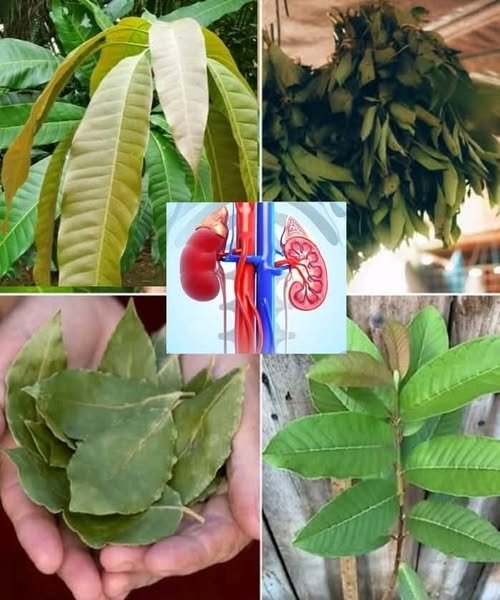
Instructions
- Gather and Clean the Leaves: Carefully select fresh, healthy leaves from each plant. For fresh leaves, gently wash them under cool running water to remove any dirt, dust, or potential pesticides. Pat them dry with a clean cloth. If using dried bay leaves, ensure they are still fragrant and not brittle.
- Prepare the Mango Leaves: If using fresh mango leaves, you can gently bruise them by tearing them slightly or rolling them between your palms. This helps release their beneficial compounds more effectively.
- Prepare the Guava Leaves: Similar to mango leaves, fresh guava leaves can be slightly torn or crushed to maximize extraction during brewing.
- Prepare the Bay Leaves: If using fresh bay leaves, you can leave them whole. For dried bay leaves, they can also be used whole.
- Prepare the Avocado Leaves: Fresh avocado leaves can be used whole or gently torn.
- Combine All Leaves: In a large saucepan, combine all the prepared mango leaves, guava leaves, bay leaves, and avocado leaves.
- Add Water: Pour 8 cups of filtered water over the leaves in the saucepan.
- Bring to a Boil: Place the saucepan on the stove over medium-high heat and bring the water to a rolling boil.
- Simmer: Once boiling, reduce the heat to low, cover the saucepan, and let the mixture simmer gently for 15-20 minutes. This slow simmering process allows the beneficial compounds from the leaves to infuse into the water.
- Cool and Strain: After simmering, remove the saucepan from the heat and allow the mixture to cool down slightly. Once it’s cool enough to handle, use a fine-mesh sieve or a cheesecloth-lined colander to strain the liquid into a clean pitcher or jar. Discard the spent leaves.
- Serve (Optional): The infused tea can be enjoyed warm or chilled. If desired, you can add a touch of honey for sweetness or a squeeze of fresh lemon juice for a brighter flavor.
- Storage: Store any leftover tea in an airtight container in the refrigerator for up to 3-4 days.
Cooking Tips and Variations
When working with these powerful leaves, understanding their nuances can greatly enhance your experience and the potential benefits. First and foremost, always prioritize fresh leaves when possible. Fresh leaves tend to have a higher concentration of volatile compounds and often a more vibrant flavor profile, especially for teas. If fresh isn’t an option, high-quality dried leaves, particularly for bay leaves, are a good alternative. When drying leaves yourself, ensure they are free from moisture to prevent mold growth, and store them in airtight containers away from direct sunlight.
For tea infusions, the quality of your water matters. Filtered water will prevent any unwanted flavors or chemicals from tap water from interfering with the delicate notes of the leaves. The simmering time is also crucial; too short, and you won’t extract enough compounds; too long, and the tea might become overly bitter. The 15-20 minute range is a good starting point, but you can adjust it slightly based on your preference for strength.
Beyond simple tea, these leaves offer versatility. Bay leaves are a staple in many savory dishes, adding depth and a subtle aromatic quality to soups, stews, and braises. While the other leaves are less common in everyday cooking, their extracts or powders are sometimes used in traditional remedies. For instance, dried and powdered guava leaves can be incorporated into smoothies or sprinkled over oatmeal. However, when consuming them in these forms, be mindful of the concentration and start with small amounts.
Consider combining these leaves with other beneficial herbs for a synergistic effect. For example, a pinch of ginger or turmeric could be added to your tea infusion for additional anti-inflammatory properties. A cinnamon stick could also complement the flavor and add its own blood sugar-regulating benefits. Always research potential interactions when combining herbs. Remember, consistency is key when exploring natural remedies. Incorporating these leaves into your routine regularly, rather than sporadically, is more likely to yield noticeable results over time.
Finally, for those new to herbal infusions, start with smaller quantities of leaves to gauge your body’s reaction and the flavor intensity. You can always increase the amount gradually. Some people might find certain leaf flavors more palatable than others. Experiment with different ratios of leaves to find a blend that you enjoy and that aligns with your health goals. The journey to wellness through natural ingredients is often one of discovery and personal adaptation.
Storage and Reheating
Proper storage is essential to maintain the freshness and potency of both the raw leaves and your prepared infusions. For fresh leaves like mango, guava, and avocado, the best way to store them is in a plastic bag or a damp paper towel within the crisper drawer of your refrigerator. This helps to keep them from drying out and extends their shelf life for about 3-5 days. If you find yourself with an abundance of fresh leaves, you can also dry them for longer storage. To do this, wash them thoroughly, pat them completely dry, and then lay them out in a single layer on a clean screen or rack in a well-ventilated area away from direct sunlight. Once fully dry and brittle, store them in airtight containers in a cool, dark place. Dried bay leaves, being a common pantry item, should also be stored in an airtight container away from light and heat to preserve their aroma and flavor for up to a year.
Once you’ve prepared your leaf infusion, proper storage is equally important for both safety and efficacy. Allow the tea to cool completely to room temperature before transferring it to an airtight pitcher or jar. Storing it in the refrigerator is crucial to prevent bacterial growth. Properly stored in the fridge, your mixed leaf tea will remain fresh and potent for up to 3-4 days. Beyond this period, the beneficial compounds may start to degrade, and the flavor can become stale or less pleasant. It’s always best to make smaller batches more frequently to ensure you’re consuming the freshest possible infusion.
When it comes to reheating, you have a few options. If you prefer to enjoy your tea warm, you can gently reheat it on the stovetop over low to medium heat until it reaches your desired temperature. Avoid boiling it vigorously again, as this can sometimes diminish the delicate flavors and potentially some of the heat-sensitive compounds. Alternatively, you can reheat individual servings in the microwave for 30-60 seconds, stirring halfway through to ensure even heating. Many people also enjoy this infusion chilled, especially during warmer weather. Simply pour it over ice for a refreshing and healthful beverage. Regardless of how you choose to enjoy it, remember that vigilance in storage and reheating practices ensures you get the most out of these incredible natural ingredients.
Frequently Asked Questions
Can I use dried leaves instead of fresh ones for all the mentioned leaves?
While fresh leaves are generally preferred for their higher concentration of active compounds and more vibrant flavor, dried leaves can be used, especially for bay leaves which are commonly sold dried. For mango, guava, and avocado leaves, if fresh are unavailable, you can use dried versions, but you might need to use a slightly larger quantity (e.g., 1.5 times the amount) and simmer them for a bit longer to ensure adequate extraction of their beneficial properties. Always ensure any dried leaves are from a reputable source to guarantee quality and absence of contaminants.
How often should I drink this tea, and what is a safe dosage?
Given the potent nature of these leaves, it’s generally recommended to start with a moderate intake. A common suggestion for herbal infusions like this is to drink 1-2 cups per day. It’s crucial to listen to your body and observe any reactions. Regarding dosage, there isn’t a universally established “safe dosage” for combined leaf infusions, especially without professional medical guidance. The quantities provided in the recipe are for a general tea preparation. It is imperative to consult with a healthcare professional or a qualified herbalist before incorporating this tea into your daily routine, especially if you have underlying health conditions, are pregnant or breastfeeding, or are taking medications. They can provide personalized advice based on your individual health profile.
Are there any known side effects or contraindications for these leaves?
While generally considered safe for culinary use and in moderate tea quantities, some individuals may experience side effects. For example, excessive consumption of guava leaf tea might cause constipation in some people. Bay leaves, when consumed in very large quantities, can be toxic. Avocado leaves are less commonly consumed as a tea, and while generally safe, individual sensitivities can occur. It’s also important to note that these leaves might interact with certain medications, particularly those for diabetes, high blood pressure, or blood thinners. For instance, guava leaves may lower blood sugar, potentially affecting diabetic medication dosages. Bay leaves have been shown to have blood pressure-lowering effects. Therefore, always discuss with your doctor before starting any new herbal remedy to ensure it won’t negatively interact with your current health status or medications.