Instructions
- Prepare the Beef Marinade: In a medium bowl, whisk together 1/4 cup soy sauce, 2 tablespoons mirin, 1 tablespoon brown sugar, 1 tablespoon grated ginger, 2 minced garlic cloves, 1 teaspoon sesame oil, and 1/2 teaspoon black pepper.
- Marinate the Beef: Add the thinly sliced beef to the marinade, ensuring all pieces are coated. Cover the bowl and refrigerate for at least 30 minutes, or up to 2 hours for deeper flavor. While the beef marinates, you can prepare the rice and teriyaki sauce.
- Cook the Rice: Rinse the jasmine rice under cold water until the water runs clear. In a medium saucepan, combine the rinsed rice and 3 cups of water. Bring to a boil, then reduce heat to low, cover, and simmer for 15-18 minutes, or until all water is absorbed and the rice is tender. Remove from heat and let stand, covered, for 5 minutes, then fluff with a fork.
- Prepare the Teriyaki Sauce: In a small saucepan, combine 1/2 cup soy sauce, 1/4 cup mirin, 1/4 cup sake, 2 tablespoons brown sugar, 1 tablespoon grated ginger, and 1 minced garlic clove. Bring the mixture to a simmer over medium heat, stirring until the sugar dissolves.
- Thicken the Sauce: Whisk in the cornstarch slurry (1 tablespoon cornstarch mixed with 2 tablespoons cold water). Continue to simmer, stirring constantly, for 1-2 minutes, until the sauce thickens to your desired consistency. Remove from heat and set aside.
- Sear the Beef: Heat 1 tablespoon of vegetable oil in a large skillet or cast-iron pan over medium-high heat until shimmering. Remove the beef from the marinade, letting any excess drip off (discard the marinade). Working in batches if necessary to avoid overcrowding, add the beef to the hot pan in a single layer. Cook for 2-3 minutes per side, or until nicely browned and slightly charred, to your preferred doneness. Overcrowding the pan will steam the beef instead of searing it, so ensure good spacing.
- Make the Creamy Drizzle (Optional): In a small bowl, whisk together mayonnaise, rice vinegar, sriracha, sesame oil, and chopped chives or green onion tops until smooth.
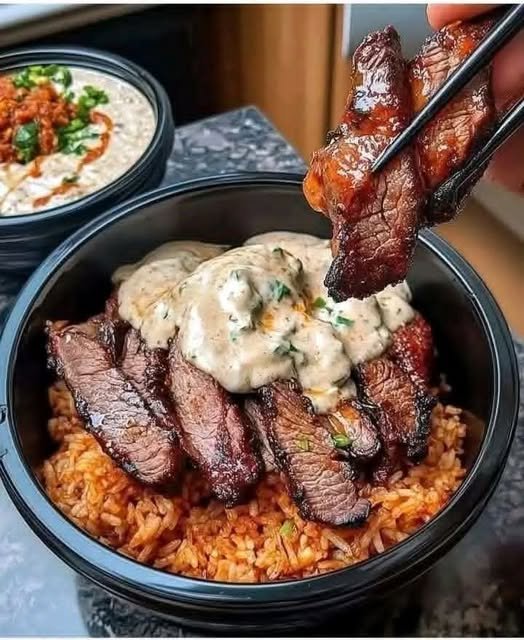
- Assemble the Bowls: Divide the cooked jasmine rice among serving bowls. Top generously with the seared teriyaki beef. Drizzle generously with the prepared teriyaki sauce. If using, add a spoonful of the creamy drizzle over the beef and sauce.
- Garnish and Serve: Garnish with toasted sesame seeds and extra sliced green onions. For those who enjoy a touch of sweetness and nod to the original title, you can also add some fresh or drained canned pineapple chunks to your bowl. Serve immediately and enjoy!
Cooking Tips and Variations
For the best sear on your beef, ensure your pan is very hot before adding the meat, and don’t overcrowd it. Cook in batches if necessary. Marinating the beef for at least 30 minutes is key to infusing flavor, but you can go up to 2 hours for a more intense taste without making the meat too tender. When slicing the beef, always cut against the grain to ensure maximum tenderness. If you prefer a spicier kick, feel free to add a pinch of red pepper flakes to the teriyaki sauce or a bit more sriracha to your creamy drizzle.
Chicken Adaptation (Foil Packet Method): To adapt this recipe for chicken and foil packets, simply cut boneless, skinless chicken thighs or breasts into 1-inch pieces. Marinate them as directed. In individual foil packets, combine the marinated chicken, pineapple chunks (if desired), and some sliced bell peppers or broccoli florets. Drizzle with a little extra teriyaki sauce. Seal the packets tightly and bake at 400°F (200°C) for 20-25 minutes, or until the chicken is cooked through. This method offers a fantastic hands-off cooking and easy cleanup solution!
Vegetable Additions: Feel free to toss in extra vegetables with your beef during the last few minutes of cooking, such as sliced bell peppers, snap peas, or broccoli florets, for added nutrition and crunch. For a vegetarian option, swap the beef for firm tofu or tempeh, pressed and cubed, then pan-seared until golden.
Sauce Customization: Adjust the sweetness of the teriyaki sauce by adding more or less brown sugar to taste. For a thicker sauce, you can add a bit more cornstarch slurry. If you don’t have sake, you can substitute with an equal amount of mirin, or even chicken or vegetable broth for a non-alcoholic option, though the flavor profile will be slightly different.
Storage and Reheating
Leftover Teriyaki Beef Bowls can be stored in an airtight container in the refrigerator for up to 3-4 days. It’s best to store the beef, rice, and sauce separately if possible, to maintain texture and flavor, though combining them is also fine.
To reheat, transfer the desired portion to a microwave-safe dish and heat on high for 1-2 minutes, stirring halfway through, until heated through. For best results, especially with the beef, you can reheat it gently in a skillet over low heat with a splash of water or broth to prevent it from drying out. The rice can also be reheated in a microwave or steamed on the stovetop with a tablespoon of water.
Frequently Asked Questions
What kind of beef is best for this recipe?
Sirloin steak or ribeye are excellent choices due to their tenderness and flavor. You can also use flank steak or skirt steak, but be sure to slice them very thinly against the grain for the best texture.
Can I make the teriyaki sauce ahead of time?
Absolutely! The homemade teriyaki sauce can be made several days in advance and stored in an airtight container in the refrigerator. This can save you time on busy weeknights, allowing for quicker meal preparation.
Is it necessary to marinate the beef?
While you can technically cook the beef without marinating, marination is highly recommended. It tenderizes the meat and infuses it with a deeper, more complex flavor, making a significant difference in the final taste of the dish.
Can I use pre-made teriyaki sauce?
Yes, you can use a good quality store-bought teriyaki sauce as a shortcut for both the marinade and the main sauce. However, homemade teriyaki sauce allows you to control the ingredients and adjust the sweetness and saltiness to your personal preference, often resulting in a fresher and more vibrant flavor.