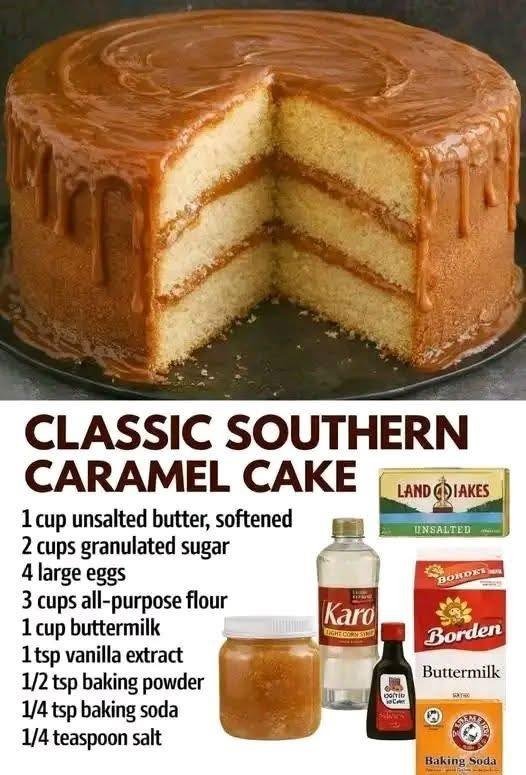
Instructions
Prepare the Cake Layers:
- Preheat your oven to 350°F (175°C). Grease and flour two 9-inch round cake pans or line with parchment paper.
- In a medium bowl, whisk together the all-purpose flour, baking powder, baking soda, and salt. Set aside.
- In a large bowl, using an electric mixer, cream together the softened unsalted butter and granulated sugar on medium-high speed until light and fluffy, about 3-5 minutes.
- Add the eggs one at a time, beating well after each addition until fully incorporated. Scrape down the sides of the bowl as needed.
- Stir in the vanilla extract.
- With the mixer on low speed, gradually add the dry ingredients to the wet ingredients, alternating with the buttermilk. Begin and end with the dry ingredients (e.g., add 1/3 dry, then 1/2 buttermilk, 1/3 dry, 1/2 buttermilk, 1/3 dry). Mix until just combined; do not overmix.
- Divide the batter evenly between the two prepared cake pans.
- Bake for 28-32 minutes, or until a wooden skewer inserted into the center of the cakes comes out clean.
- Allow the cakes to cool in the pans for 10-15 minutes before inverting them onto a wire rack to cool completely. Ensure cakes are entirely cool before frosting.
Prepare the Caramel Icing:
- In a large, heavy-bottomed saucepan, combine the unsalted butter, granulated sugar, heavy cream, milk, light corn syrup, and a pinch of salt.
- Place the saucepan over medium heat, stirring constantly until the butter is melted and the sugar is dissolved. This is crucial for preventing crystallization.
- Bring the mixture to a rolling boil. Once boiling, stop stirring and allow it to boil for 5-7 minutes, or until the mixture reaches 235-240°F (113-116°C) on a candy thermometer. The caramel should be a rich, golden amber color.
- Remove the saucepan from the heat. Stir in the vanilla extract.
- Allow the caramel icing to cool slightly in the saucepan for about 10-15 minutes, stirring occasionally. It should still be pourable but becoming thicker. This cooling step helps prevent it from being too thin and running off the cake, and also thickens it to a spreadable consistency.
Assemble the Cake:
- If your cake layers have domed tops, use a serrated knife to level them, creating flat surfaces for stacking.
- Place one cooled cake layer on your serving plate or cake stand.
- Pour about one-third of the still-warm (but not hot) caramel icing over the first layer, spreading it evenly to the edges.
- Carefully place the second cake layer on top.
- Pour the remaining caramel icing over the top of the cake, allowing it to drip down the sides. Use an offset spatula to gently coax the icing over the sides if needed, creating that classic Southern caramel cake look.
- Let the cake sit at room temperature for at least 30 minutes to allow the icing to set slightly before slicing and serving. For a firmer set, you can chill it in the refrigerator for a short period.
Cooking Tips and Variations
Room Temperature Ingredients: Always ensure your butter, eggs, and buttermilk are at room temperature. This allows them to emulsify properly, creating a smoother batter and a more tender, evenly baked cake.
Don’t Overmix: After adding the flour, mix just until combined. Overmixing develops gluten, which can lead to a tough cake.
Caramel Clarity: When making the caramel, avoid stirring once it comes to a boil. Stirring can introduce sugar crystals back into the mixture, leading to a grainy icing. If you see crystals forming on the sides of the pan, use a wet pastry brush to wipe them down.
Candy Thermometer is Key: While experienced bakers might eyeball caramel, a candy thermometer is highly recommended for consistent results. Reaching the precise temperature is crucial for the icing’s texture.
Cooling the Icing: Don’t rush the icing. Allowing it to cool and thicken slightly before frosting ensures it adheres better to the cake and doesn’t just run off. However, don’t let it cool too much, or it will become too firm to spread.
Leveling the Cake: For a professional-looking cake, level your layers. This creates a stable base and even layers of icing.
Nutty Variation: For an added crunch and flavor, finely chop pecans or walnuts and sprinkle them over the top of the caramel icing while it’s still wet, or even between the layers.
Spice It Up: A tiny pinch of cinnamon or nutmeg can be added to the cake batter for a subtle warmth, though the classic recipe typically omits it.
Storage and Reheating
Storage: Southern Caramel Cake is best stored at room temperature, loosely covered, for up to 2-3 days. If your kitchen is very warm, or if you want to extend its freshness, you can store it in the refrigerator for up to 5 days. If refrigerated, allow it to come to room temperature before serving for the best flavor and texture.
Freezing: The cake layers can be frozen unfrosted. Wrap each cooled layer tightly in plastic wrap, then in foil, and freeze for up to 2 months. Thaw in the refrigerator overnight before frosting. The frosted cake can also be frozen, though the icing texture might change slightly upon thawing. Freeze individual slices wrapped well for convenient portions.
Reheating: Southern Caramel Cake is typically served at room temperature. There’s no need to reheat it. If it’s been refrigerated, simply let it sit on the counter for at least an hour before serving to allow the cake and icing to soften to their ideal consistency.
Frequently Asked Questions
What makes Southern Caramel Cake different from other caramel cakes?
The primary distinction lies in the icing. Southern Caramel Cake traditionally features a cooked caramel icing that is often made on the stovetop, resulting in a rich, buttery, and often slightly chewy or fudgy texture that sets up beautifully. Many other caramel cakes might use a caramel buttercream or a simple caramel drizzle, but the cooked caramel icing is the hallmark of the Southern version.
My caramel icing turned out too hard/too runny. What went wrong?
If your icing is too hard, it likely overcooked. The caramel was boiled too long or reached too high a temperature (above 240°F). If it’s too runny, it was undercooked, meaning it didn’t boil long enough or didn’t reach the target temperature range of 235-240°F. A candy thermometer is essential for consistent results. Also, ensure you allowed it to cool slightly off the heat before frosting; very hot caramel will be too thin.
Can I use store-bought caramel sauce for the icing?
While you technically *can* use store-bought caramel sauce, it will not yield the authentic flavor and texture of a traditional Southern Caramel Cake. The homemade cooked caramel icing is a defining characteristic of this dessert, offering a depth of flavor and a setting consistency that store-bought sauces typically can’t replicate. It’s worth the effort to make it from scratch!
My cake layers are dry. How can I prevent this?
Dry cake layers are usually a result of overbaking. Keep a close eye on the baking time and test for doneness with a wooden skewer. It should come out clean or with a few moist crumbs attached, but not wet batter. Using room temperature ingredients and not overmixing the batter also contribute to a moist crumb. Ensure your oven temperature is accurate as well.