Instructions
- Understand the Threat: Recognize that voice cloning technology exists and is actively used by scammers. Be aware that even a few seconds of your voice can be sufficient for AI to create a convincing imitation.
- Be Wary of Unsolicited Calls: Treat all calls from unknown numbers with suspicion, especially those claiming to be from banks, government agencies, tech support, or family members in distress.
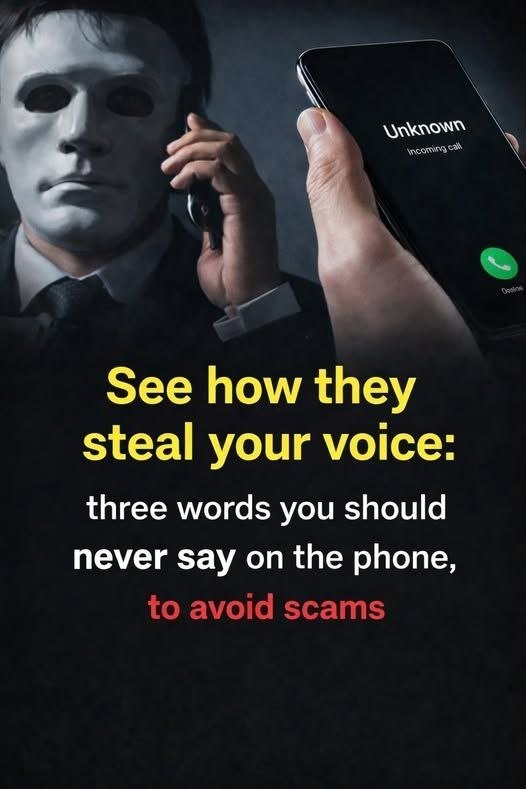
- Avoid Saying “Yes” or “Okay” to Unknown Callers: Scammers often record these simple affirmative responses. While not always directly used for voice cloning for financial fraud, these recordings can be used to authorize transactions or subscriptions if tied to other compromised information. It’s better to ask “How can I help you?” or “Who is this?”
- Refrain from Answering Personal Questions with Specific Affirmations: If asked, “Is this [Your Name]?” or “Are you over 18?”, avoid a simple “Yes.” Instead, respond with “Who’s calling?” or “What is this regarding?” Scammers can use your affirmative voice sample to bypass voice authentication systems.
- Never Confirm Personal Information: Do not confirm your address, date of birth, social security number, or bank details over the phone, even if the caller claims to have it. Scammers can use this to “verify” information they already possess and then ask for more sensitive data.
- Do Not Engage in “Can You Hear Me?” Scams: If a caller asks “Can you hear me?” and you respond “Yes,” they may record your voice for fraudulent purposes. Hang up immediately if you encounter this tactic.
- Verify Identity Independently: If a caller claims to be from an organization, hang up and call them back using a known, official phone number (e.g., from their official website or a statement). Do not use a number provided by the caller.
- Establish a Safe Word/Phrase with Close Family: For urgent calls from family members claiming to be in trouble, have a pre-agreed “safe word” or “safe phrase” that only you and they know. If they can’t provide it, it’s a scam.
- Limit Voice Samples Online: Be mindful of how much of your voice is available publicly online (e.g., social media videos, voice messages to public groups). While harder to control, awareness helps.
- Report Suspicious Calls: If you receive a suspicious call, report it to the Federal Trade Commission (FTC) or your local law enforcement. This helps authorities track scam patterns.
- Educate Others: Share this information with friends, family, and vulnerable individuals who may be more susceptible to these types of scams.
Cooking Tips and Variations
The “cooking” of scam prevention relies heavily on consistent practice and adaptation. Here are some “tips” to enhance your defense:
- Stay Updated: Scammers constantly evolve. Regularly check reputable consumer protection websites (like the FTC) for updates on new scam tactics.
- Use Call Blocking Apps: Many smartphone apps can help identify and block known scam numbers. While not foolproof, they add an extra layer of protection.
- Enable Multi-Factor Authentication (MFA): For all your online accounts, especially financial ones, enable MFA. This adds a crucial barrier even if scammers get some personal information or a voice sample.
- Review Privacy Settings: Regularly review privacy settings on social media and other online platforms to limit who can access your information and potentially your voice recordings.
- Practice Active Listening: When on an unknown call, listen for inconsistencies, unusual requests, or pressure tactics. Scammers often try to rush you.
- Vary Your Responses: Instead of simple “yes” or “no,” use slightly more elaborate phrases like “That is correct” or “I do not believe that is accurate” when necessary, making it harder for simple voice clip extraction.
Storage and Reheating
Protecting yourself from voice cloning scams isn’t a one-time action; it requires continuous “storage” and “reheating” of your defensive strategies:
- Store Knowledge: Keep the information about scam tactics, dangerous phrases, and safety tips fresh in your mind. Don’t assume you’re immune; scammers target everyone.
- Regularly “Reheat” Your Vigilance: Periodically remind yourself and your loved ones about these risks. Share articles, discuss new scam alerts, and reinforce safe phone practices. Complacency is a scammer’s best friend.
- Backup Your Defenses: Just like you back up important files, ensure you have multiple layers of defense: strong passwords, MFA, call blockers, and a skeptical mindset.
- “Freeze” Risky Behavior: Immediately cease any behavior that puts you at risk, such as answering calls from unknown numbers with simple “yes” responses or sharing personal information without independent verification.
Frequently Asked Questions
Can a scammer really use just a few words of my voice?
Yes, unfortunately, with advancements in AI and deepfake audio technology, even a few seconds of clear speech can be enough for sophisticated software to generate convincing voice clones. These cloned voices can then be used to bypass voice verification systems or to impersonate you to friends and family, making urgent requests that sound legitimate.
What if I accidentally said “yes” to a suspicious caller? Am I compromised?
Not necessarily. While saying “yes” can be risky, especially if it’s in response to a question that could authorize something, it doesn’t automatically mean you’ve been compromised. Scammers typically need more than just one word. However, it’s a red flag. If you realize you’ve engaged with a suspicious call, monitor your accounts, financial statements, and credit reports closely for any unusual activity. If you used your voice to answer a question like “Are you authorizing this payment?”, then you should immediately contact your bank or credit card company to report potential fraud.
How can I protect my elderly relatives who might be more susceptible?
Educating elderly relatives is crucial. Explain to them, in simple terms, how these scams work and why they should be wary of unknown callers. Suggest they never answer calls from numbers they don’t recognize. Encourage them to hang up and call you or another trusted family member if they receive a suspicious call. Establish a “safe word” or “code phrase” for emergency situations with close family members as an extra layer of verification. Also, consider setting up call-blocking services on their phones and helping them review their privacy settings on any devices or online accounts they use.