Instructions
- Prepare the Tripe (if not pre-cooked): If your tripe isn’t pre-cooked, you’ll need to do this first. Rinse the tripe thoroughly under cold water, scrubbing well. Place it in a large pot, cover with water, and add a splash of vinegar or lemon juice, and a few bay leaves. Bring to a boil, then reduce heat and simmer for 2-3 hours or until very tender. Drain, rinse again, and cut into 1-2 inch pieces.
- Start the Stew Base: Heat 3 tablespoons of vegetable oil in a large heavy-bottomed pot or Dutch oven over medium heat. Add the chopped onions and sauté until softened and translucent, about 5-7 minutes.
- Add Aromatics: Stir in the minced garlic and grated ginger. Cook for another 2 minutes until fragrant, being careful not to burn the garlic.
- Build the Flavor: Add the tomato paste and cook, stirring constantly, for 3-5 minutes until it darkens slightly and caramelizes. This step deepens the tomato flavor significantly.
- Introduce Spices and Heat: Stir in the crushed tomatoes, minced Scotch bonnet peppers (if using), curry powder, dried thyme, bay leaves, and black pepper. Cook for 5 minutes, allowing the spices to bloom and the sauce to thicken slightly.
- Combine with Tripe and Liquid: Add the pre-cooked and cut tripe pieces to the pot. Pour in the 4 cups of water or beef broth and add the crushed bouillon cubes. Stir everything together well.
- Simmer the Stew: Bring the stew to a gentle boil, then reduce the heat to low, cover the pot, and let it simmer for at least 1.5 to 2 hours. The longer it simmers, the more tender the tripe will become and the more the flavors will meld. Stir occasionally to prevent sticking.
- Adjust Seasoning: After simmering, taste the stew and adjust salt as needed. Remember that bouillon cubes already contain salt, so add sparingly. The stew should be rich, thick, and the tripe very tender.
- Prepare the Rice: While the stew simmers, prepare the white rice. Rinse the rice thoroughly under cold running water in a fine-mesh sieve until the water runs clear. This removes excess starch and helps prevent stickiness.
- Cook the Rice: In a medium pot with a tight-fitting lid, combine the rinsed rice, 4 cups of water, 1 tablespoon of vegetable oil (optional, helps keep grains separate), and 1 teaspoon of salt. Bring to a rolling boil over high heat.
- Simmer and Steam Rice: Once boiling, immediately reduce the heat to the lowest setting, cover the pot tightly, and let it simmer undisturbed for 15-20 minutes, or until all the water has been absorbed. Do not lift the lid during this time.
- Rest and Fluff Rice: Once cooked, remove the pot from the heat and let it rest, still covered, for another 5-10 minutes. This allows the steam to finish cooking the rice and makes it fluffier. Finally, remove the lid and gently fluff the rice with a fork.
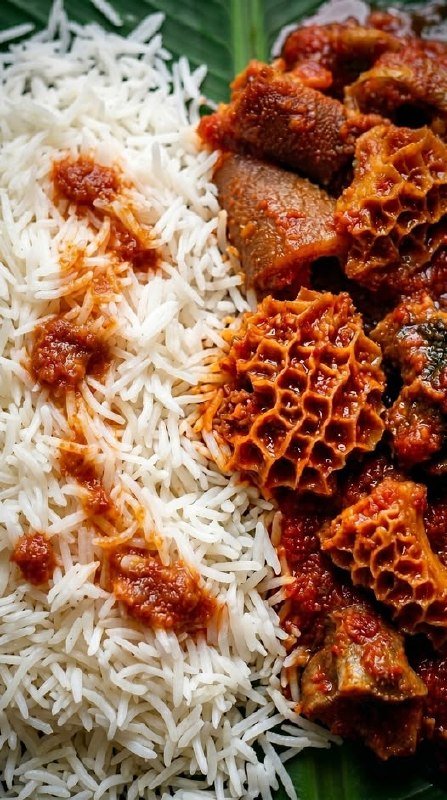
- Serve: If using, line plates or bowls with banana leaves for an authentic touch. Spoon a generous portion of the fluffy white rice onto each serving. Ladle the hot, rich tripe stew alongside or over the rice. Garnish with fresh chopped parsley or cilantro, if desired. Serve immediately and enjoy!
Cooking Tips and Variations
Tripe Preparation is Key: The most crucial step for a delicious tripe stew is proper preparation of the tripe itself. If you’re using raw tripe, don’t skimp on the initial boiling time. It’s essential to tenderize it and remove any strong odors. Boiling it with aromatics like onion, garlic, or ginger during this pre-cooking stage can further enhance its flavor. You can even pre-cook the tripe a day ahead to break down the cooking process.
Layering Flavors: Don’t rush the initial sautéing of onions and the cooking down of tomato paste. These steps build a foundational layer of flavor that will make your stew sing. Allowing the tomato paste to caramelize slightly deepens its sweetness and richness.
Spice Bloom: When adding dry spices like curry powder, give them a minute or two to cook in the oil with the tomato base before adding liquids. This “blooming” process releases their full aromatic potential and integrates them better into the sauce.
Taste and Adjust: Always taste your stew before serving and adjust the seasoning. The saltiness can vary depending on your bouillon and personal preference. A pinch of sugar can help balance the acidity of the tomatoes if needed.
Achieving Fluffy Rice: Rinsing the rice thoroughly until the water runs clear is vital for separate, non-sticky grains. The correct water-to-rice ratio and avoiding lifting the lid during cooking and resting are equally important for perfectly fluffy rice.
Variations:
- Spice Level: Easily adjust the heat by increasing or decreasing the amount of Scotch bonnet pepper. For a milder stew, use bell peppers instead or omit the hot peppers entirely. For more heat, you can add a pinch of cayenne pepper.
- Adding Vegetables: Towards the last 30-45 minutes of simmering, you can add diced root vegetables like carrots, potatoes, or sweet potatoes to the stew. Bell peppers or leafy greens like spinach or callaloo can be added in the last 15-20 minutes for freshness and extra nutrients.
- Other Meats: While tripe is the star, you can enhance the stew by adding other cuts of beef, such as beef chuck or oxtail, alongside the tripe. Just ensure they are cut into similar-sized pieces and cook until tender.
- Smoky Flavor: For a subtle smoky depth, consider adding a smoked turkey wing or a piece of smoked fish during the stew’s simmering phase. Remove before serving if desired.
- Herbs: Experiment with other fresh herbs like thyme or oregano, added towards the end of cooking, to brighten the flavor profile.
- Regional Touches: In some Caribbean versions, a splash of browning (burnt sugar sauce) might be added for color and a hint of sweetness. West African versions might incorporate ground melon seeds (egusi) or ground peanuts for thickening and a nutty flavor.
Storage and Reheating
Storage: Both the tripe stew and the cooked white rice store very well, making this an excellent meal prep option. Allow both the stew and the rice to cool completely to room temperature before storing. This is crucial to prevent bacterial growth and maintain food safety. Once cooled, transfer them to separate airtight containers.
- Refrigeration: The tripe stew can be stored in the refrigerator for up to 3-4 days. Cooked white rice can be refrigerated for up to 3-4 days as well.
- Freezing: The tripe stew freezes beautifully. Once cooled, transfer it to freezer-safe containers or heavy-duty freezer bags. It can be frozen for up to 2-3 months without significant loss of quality. Label with the date. While cooked rice can be frozen, its texture can sometimes change slightly upon thawing, becoming a bit drier. If you plan to freeze, ensure the rice is completely cooled and stored in airtight containers or bags, and it can last for about 1 month.
Reheating: Proper reheating ensures your leftovers are just as delicious and safe to eat.
- Tripe Stew:
- Stovetop: The best method for reheating stew. Transfer the desired portion to a saucepan or pot. Add a splash of water or broth if the stew seems too thick. Heat over medium-low heat, stirring occasionally, until it is heated through and simmering gently. This usually takes 10-15 minutes.
- Microwave: For individual portions, transfer the stew to a microwave-safe bowl. Cover loosely (to prevent splatters) and heat on medium power, stirring every minute or two, until piping hot throughout.
- White Rice:
- Microwave: For individual portions, place the rice in a microwave-safe bowl. Add a tablespoon or two of water, cover loosely, and heat on high for 1-2 minutes, or until hot. The added water helps re-steam the rice and prevents it from drying out.
- Stovetop: Place the rice in a saucepan with a tablespoon of water or broth per cup of rice. Cover and heat over low heat, stirring occasionally, until heated through and fluffy.
- Steamer: Reheating rice in a steamer basket over simmering water is an excellent way to restore its texture and moisture.
- From Frozen:
- Frozen Stew: For best results, thaw the frozen stew in the refrigerator overnight before reheating. Then, proceed with the stovetop or microwave instructions as above. If reheating from frozen, it will take longer; use low heat on the stovetop, stirring frequently, or use lower power settings in the microwave to ensure even heating.
- Frozen Rice: Thaw overnight in the refrigerator, then reheat using the microwave or stovetop method.
Always ensure that both the stew and rice are heated to an internal temperature of at least 165°F (74°C) to ensure food safety.
Frequently Asked Questions
What kind of tripe is best for this stew?
Honeycomb tripe (from the reticulum) is highly recommended for this stew due to its distinctive texture that holds up well during long simmering and its ability to soak up flavors beautifully. Its honeycomb-like appearance is also visually appealing. However, blanket tripe (from the rumen) can also be used, though it tends to be a bit smoother.
Can I make this stew less spicy?
Absolutely! The heat level is fully adjustable. To make the stew less spicy, you can reduce the amount of Scotch bonnet pepper, or omit it entirely. If you still want a hint of pepper flavor without the intense heat, you can use a small amount of bell pepper or a milder chili like a poblano, removing the seeds and membranes before mincing.
Why do I need to rinse the rice?
Rinsing the rice thoroughly before cooking is a crucial step for achieving fluffy, separate grains. It removes excess surface starch from the rice, which is what often causes rice to become sticky and clumpy when cooked. Rinsing until the water runs clear ensures a better texture for your white rice, perfectly complementing the rich stew.
Can I prepare the tripe stew in advance?
Yes, this tripe stew is an excellent make-ahead dish! In fact, many stews, including this one, taste even better the next day as the flavors have more time to meld and deepen. You can cook the entire stew a day or two in advance and store it in the refrigerator. Reheat gently on the stovetop before serving. You can also pre-cook the tripe separately and store it, then make the stew base when you’re ready to combine everything.