Instructions
- Prepare the Pork Belly: If your pork belly has skin, you can score it lightly if you wish for crispier results later, or simply leave it as is. Cut the pork belly into uniform 1.5-inch cubes. Pat the pork belly dry thoroughly with paper towels. This helps with searing.
- Sear the Pork Belly: Heat 2 tablespoons of cooking oil in a large heavy-bottomed pot or Dutch oven over medium-high heat. Once hot, add the pork belly cubes in a single layer, working in batches if necessary to avoid overcrowding the pan. Sear until golden brown and slightly crispy on all sides, about 5-7 minutes per batch. Remove the seared pork belly from the pot and set aside, leaving about 2 tablespoons of rendered fat in the pot.
- Sauté Aromatics: Reduce the heat to medium. Add the chopped onion to the pot and sauté until softened and translucent, about 3-5 minutes. Add the minced garlic and sliced ginger, and cook for another 1-2 minutes until fragrant, being careful not to burn the garlic.
- Deglaze and Add Liquids: Pour in the apple cider vinegar, scraping the bottom of the pot with a wooden spoon to loosen any browned bits. Let it simmer for about 30 seconds. Then, stir in the soy sauce, brown sugar, chili garlic sauce, fish sauce (if using), crushed black peppercorns, and bay leaves. Bring the mixture to a gentle simmer.
- Braise the Pork Belly: Return the seared pork belly to the pot. Add 2 cups of water or chicken broth, ensuring the pork belly is mostly submerged. Bring the liquid to a boil, then reduce the heat to low, cover the pot tightly, and simmer for 1.5 to 2 hours, or until the pork belly is fork-tender. Check periodically to ensure there’s enough liquid and stir to prevent sticking.
- Reduce and Thicken the Sauce: Once the pork belly is tender, remove the lid. Skim off any excess fat from the surface of the sauce if desired. Increase the heat to medium-high and bring the sauce to a rolling simmer. In a small bowl, whisk together the cornstarch and cold water to create a slurry. Slowly pour the cornstarch slurry into the simmering sauce, stirring constantly, until the sauce thickens to your desired consistency. This usually takes 1-2 minutes.
- Final Touches: Taste the sauce and adjust seasonings if necessary. You might want to add a pinch more sugar for sweetness, a dash more soy sauce for saltiness, or more chili garlic sauce for heat.
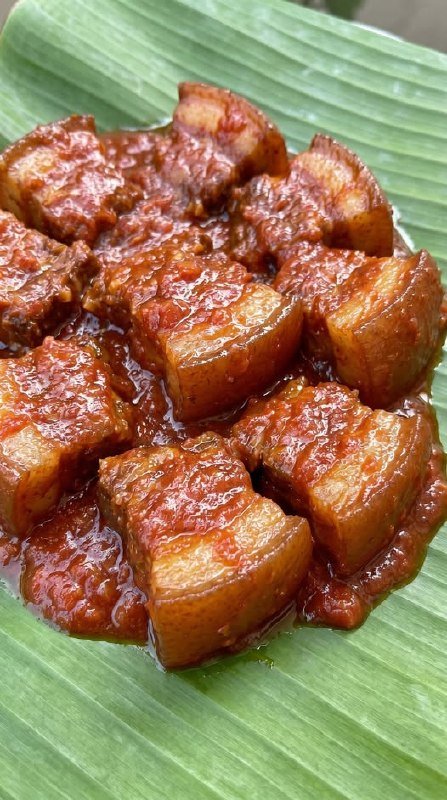
- Serve: Transfer the “Pork Belly Yummy” to a serving dish. Garnish generously with thinly sliced green onions and a sprinkle of toasted sesame seeds. Serve immediately with steamed white rice or other desired accompaniments.
Cooking Tips and Variations
Achieving Tenderness: The key to truly tender pork belly is slow cooking. Don’t rush the braising process. If your pork belly isn’t falling apart, it simply needs more time. You can even braise it for longer, up to 3 hours, for an even more melt-in-your-mouth texture. For an even more intense flavor, you can braise the pork belly in a slow cooker on low for 4-6 hours or in an oven at 300°F (150°C) for 2.5-3 hours.
Rendering Fat: Pork belly is rich, and some people prefer less fat. After searing, you can drain off more of the rendered fat before adding the aromatics. Also, after braising, you can let the dish cool slightly, and the fat will solidify on top, making it easy to skim off before reheating or thickening the sauce.
Spice Level: The chili garlic sauce gives this dish its “yummy” kick. Start with 1 tablespoon for a mild heat and increase to 2 tablespoons or more for a spicier version. You can also add a few dried bird’s eye chilies along with the bay leaves for an extra fiery punch.
Crispy Skin (Optional): If you are using skin-on pork belly and desire a super crispy skin, after braising, carefully remove the pork belly pieces from the sauce. Pat the skin dry thoroughly. You can then broil them for 5-7 minutes, skin-side up, until bubbly and crispy, or pan-fry them skin-side down in a separate pan with a little oil until golden and crackling. Be sure to watch it closely as it can burn quickly. Return the crispy pork belly to the thickened sauce just before serving.
Variations:
- Different Cuts: While pork belly is ideal, you can experiment with other fatty cuts like pork shoulder or even pork hocks, though cooking times may vary.
- Add Vegetables: Enhance the dish by adding vegetables during the last 30 minutes of braising. Root vegetables like carrots, potatoes, or daikon radish absorb the sauce beautifully. You can also stir in blanched bok choy or steamed green beans just before serving.
- Sweetness Adjustment: If you prefer a sweeter profile, increase the brown sugar to 1/3 or even 1/2 cup. For a less sweet dish, reduce it to 2-3 tablespoons.
- Citrus Zest: A little lime or orange zest added at the end can brighten the flavors and add a fresh aromatic note.
- Umami Boost: For an even deeper umami, consider adding a teaspoon of mushroom powder or a small piece of dried kombu (kelp) during the braising process.
Storage and Reheating
Storage: Leftover “Pork Belly Yummy” stores wonderfully. Allow the dish to cool completely before transferring it to an airtight container. It can be stored in the refrigerator for up to 3-4 days. The flavors often deepen overnight, making it even more delicious the next day.
Reheating:
- Stovetop: The best way to reheat is on the stovetop. Transfer the pork belly and sauce to a saucepan or skillet. Heat over medium-low heat, stirring occasionally, until thoroughly warmed through. If the sauce has thickened too much, you can add a splash of water or broth to loosen it.
- Microwave: For a quick reheat, place a portion in a microwave-safe dish, cover loosely, and microwave on medium power in 1-2 minute intervals, stirring in between, until hot. Be careful not to overheat, as this can dry out the pork.
- Oven: If reheating a larger batch, you can place it in an oven-safe dish, cover with foil, and bake at 300°F (150°C) for 20-30 minutes, or until heated through.
Frequently Asked Questions
Can I make this recipe ahead of time?
Absolutely! This dish is fantastic for meal prepping and often tastes even better the next day as the flavors have more time to meld and develop. Prepare it a day in advance, refrigerate, and then gently reheat before serving.
What can I serve with “Pork Belly Yummy”?
The most classic accompaniment is steamed white rice, which perfectly soaks up all the delicious sauce. It’s also excellent with brown rice, quinoa, or even mashed potatoes. For a lighter meal, serve it alongside a simple green salad or some stir-fried vegetables. It can also be served in bao buns or as a filling for tacos.
Why is my pork belly not tender?
The primary reason for tough pork belly is insufficient cooking time. Pork belly has a lot of connective tissue and fat that needs time to break down. Ensure your heat is low enough for a gentle simmer, and allow it to cook for the full recommended time, or even longer, until it’s easily pierced with a fork. Don’t be afraid to extend the braising time by another 30-60 minutes if needed.
Can I use boneless pork belly?
Yes, you can definitely use boneless pork belly. The cooking process remains the same. If using boneless, skinless pork belly, you won’t have the option for crispy skin, but the meat will still be incredibly tender and flavorful. Adjust the searing time slightly as boneless cuts may brown faster.