Instructions
- Prepare the Mutton: Wash the mutton pieces thoroughly under cold running water. Pat them completely dry with paper towels. This step is crucial for achieving a good sear. Season the mutton generously with 1 teaspoon of salt and 1/2 teaspoon of black pepper.
- Sear the Mutton: Heat the vegetable oil or ghee in a large heavy-bottomed pot or Dutch oven over medium-high heat. Once the oil is shimmering, add the mutton pieces in batches, ensuring not to overcrowd the pot. Sear the mutton on all sides until deeply browned and caramelized. This browning creates a rich flavor base. Remove the seared mutton from the pot and set aside.
- Sauté Aromatics: In the same pot, reduce the heat to medium. Add the sliced onions to the pot and sauté, stirring frequently, until they turn a deep golden brown and are beautifully caramelized. This process can take 15-20 minutes but is essential for the depth of flavor. If the onions start to stick, add a splash of water to deglaze the bottom of the pot.
- Add Ginger, Garlic, and Chilies: Once the onions are caramelized, add the minced garlic, grated ginger, and slit green chilies. Sauté for another 2-3 minutes until fragrant, being careful not to burn the garlic.
- Bloom Whole Spices: Push the onion mixture to one side of the pot. Add the whole cumin seeds, crushed green cardamom pods, cloves, cinnamon stick, and bay leaves to the cleared space in the hot oil. Allow them to sizzle for 30-60 seconds until aromatic. Stir them into the onion mixture.
- Add Ground Spices: Reduce the heat to low. Add the coriander powder, cumin powder, turmeric powder, and red chili powder to the pot. Stir well and cook for 1-2 minutes, stirring constantly, until the spices are fragrant. This step, often referred to as “blooming” the spices, enhances their flavor. If the mixture seems too dry, add a tablespoon of water to prevent burning.
- Incorporate Tomatoes: Add the pureed or chopped tomatoes to the pot. Increase the heat to medium and cook, stirring occasionally, until the tomatoes break down and the oil starts to separate from the mixture. This indicates that the tomatoes are well cooked and their acidity has mellowed.
- Stir in Yogurt: Remove the pot from the heat for a minute, then gradually whisk in the plain yogurt, stirring continuously to prevent it from curdling. Return the pot to low heat and cook for 5-7 minutes, stirring frequently, until the yogurt is fully incorporated and the sauce begins to thicken and the oil separates again.
- Add Mutton and Liquid: Return the seared mutton pieces to the pot. Stir well to coat the mutton with the rich sauce. Add 2 cups of hot water or mutton broth, ensuring the mutton is mostly submerged. Add the remaining salt to taste. Bring the mixture to a gentle simmer.
- Slow Cook (Stovetop Method): Once simmering, cover the pot tightly, reduce the heat to the lowest setting, and cook for 2.5 to 3 hours, or until the mutton is fork-tender. Stir occasionally to prevent sticking and add more hot water/broth if the sauce becomes too thick.
- Slow Cook (Oven Method): Alternatively, after step 9, cover the Dutch oven tightly and transfer it to a preheated oven at 160°C (325°F) for 2.5 to 3 hours, or until the mutton is incredibly tender.
- Slow Cook (Pressure Cooker Method): After step 9, transfer the mixture to a pressure cooker. Add 1.5 cups of hot water/broth. Close the lid and cook on high pressure for 35-45 minutes. Allow the pressure to release naturally before opening.
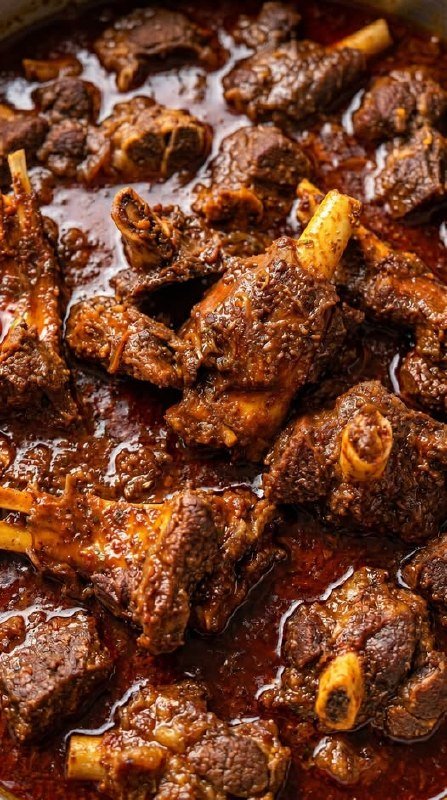
- Finishing Touches: Once the mutton is tender, remove the lid (if using stovetop or oven). Increase the heat to medium and simmer for 10-15 minutes, uncovered, to allow the sauce to thicken to your desired consistency. Stir in the garam masala and black pepper powder. Taste and adjust seasoning if necessary.
- Garnish and Serve: Garnish generously with fresh chopped coriander leaves. Serve hot with your preferred accompaniments.
Cooking Tips and Variations
Choosing the Right Cut: For the most tender and flavorful mutton, opt for bone-in cuts like shoulder, shank, or leg. The bones add significant depth of flavor to the gravy. Avoid very lean cuts as they can dry out during slow cooking. If using boneless mutton, reduce the cooking time slightly, but bone-in is highly recommended for this recipe.
The Power of Slow Cooking: Patience is paramount when cooking mutton. Slow cooking at a low temperature allows the tough connective tissues in the meat to break down into gelatin, resulting in that desirable melt-in-your-mouth texture. Do not rush the simmering process; it’s what makes the mutton incredibly tender and infused with flavor.
Layering Flavors: The key to a rich and deep gravy lies in layering the flavors correctly. Ensure the onions are deeply caramelized, as this forms the sweet and savory base. Blooming the whole and ground spices in hot oil before adding liquids extracts their maximum aroma and flavor. Don’t skip these steps!
Marination (Optional but Recommended): For an even more tender and flavorful result, consider marinating the mutton overnight or for at least 4-6 hours. A simple marinade of yogurt, ginger-garlic paste, a squeeze of lemon juice, and a pinch of turmeric and red chili powder can work wonders.
Adjusting Spice Levels: The amount of green chilies and red chili powder can be adjusted to suit your heat preference. For a milder dish, use fewer chilies and less red chili powder. For more heat, add an extra chili or increase the red chili powder. You can also add a pinch of cayenne pepper for an extra kick.
Thickening the Gravy: If your gravy is too thin at the end, simply simmer it uncovered over medium heat, stirring occasionally, until it reduces and thickens to your desired consistency. If it’s too thick, add a splash of hot water or broth.
Adding Vegetables: While this recipe focuses on the pure mutton flavor, you can add vegetables like diced potatoes, carrots, or peas during the last hour of cooking for a more wholesome stew. Add harder vegetables like carrots and potatoes first, followed by softer ones like peas.
Smoky Flavor (Bhooni): For an authentic smoky flavor often found in some regional mutton dishes, you can perform a “bhooni.” Heat a small piece of charcoal until red hot. Place it in a small heat-proof bowl in the center of the cooked mutton. Drizzle a teaspoon of ghee over the charcoal, cover the pot immediately, and let it smoke for 5-10 minutes. Remove the charcoal before serving.
Using Ghee: While vegetable oil works, cooking in ghee (clarified butter) imparts an unparalleled richness and nutty flavor to the dish, enhancing the overall depth of taste. If you have ghee on hand, definitely use it.
Resting Time: Just like with any meat, allowing the mutton to rest for 10-15 minutes after it’s cooked and off the heat helps the juices redistribute, resulting in a more tender and moist final product. Cover the pot and let it sit before serving.
Storage and Reheating
Storage: Cooked mutton curry stores exceptionally well, often tasting even better the next day as the flavors have more time to meld. Allow the curry to cool completely to room temperature before transferring it to an airtight container. Store in the refrigerator for up to 3-4 days. For longer storage, you can freeze the mutton curry in airtight, freezer-safe containers or heavy-duty freezer bags for up to 2-3 months. When freezing, ensure there’s enough sauce to cover the meat to prevent freezer burn.
Reheating:
- From Refrigerator: Transfer the desired portion to a saucepan or microwave-safe bowl. Reheat gently over medium-low heat on the stovetop, stirring occasionally, until heated through. If using a microwave, heat in 1-2 minute intervals, stirring in between, until hot. You may need to add a splash of water or broth if the gravy has thickened too much.
- From Freezer: For best results, thaw the frozen mutton curry overnight in the refrigerator. Once thawed, reheat using the stovetop or microwave method described above. If reheating directly from frozen, transfer to a saucepan, add a little water or broth, cover, and reheat over very low heat, stirring occasionally, until thawed and heated through. This will take longer than reheating from the fridge. Always ensure the mutton is piping hot (internal temperature of 74°C or 165°F) before serving.
Frequently Asked Questions
What is the difference between mutton and lamb?
Mutton generally refers to the meat of an adult sheep, typically over one year old, while lamb comes from a sheep under one year of age. Mutton has a stronger, more gamey flavor and a coarser texture than lamb, which is milder and more tender. This distinct flavor and tougher texture of mutton make it ideal for slow-cooking methods that tenderize the meat and allow its rich taste to shine through.
Can I make this recipe in a slow cooker?
Absolutely! After completing step 8 (adding the yogurt), transfer the mixture to a slow cooker. Add the seared mutton pieces and 1.5-2 cups of hot water or broth. Cook on low for 6-8 hours or on high for 3-4 hours, until the mutton is fork-tender. You may want to thicken the gravy on the stovetop for 10-15 minutes after the slow cooking is complete, before adding the garam masala and garnishing.
Why is my mutton still tough after cooking for so long?
There could be a few reasons. The most common is not cooking it long enough or at a low enough temperature. Mutton requires significant time for its connective tissues to break down. Ensure your pot is tightly covered to prevent moisture loss, and the heat is consistently low for simmering. If using a stovetop, make sure it’s at the lowest possible simmer. Also, the quality and cut of mutton can play a role; some cuts are naturally tougher and require even longer cooking times. If it’s still tough, simply continue cooking it until it reaches the desired tenderness.
Can I make this recipe less spicy?
Yes, easily! To reduce the spiciness, you can omit the green chilies entirely. For the red chili powder, start with half the recommended amount (0.5 teaspoon) or use a milder variety like Kashmiri red chili powder, which primarily provides color rather than intense heat. Taste and adjust before serving. You can also add a touch of cream or coconut milk at the end to mellow out any residual heat.