Instructions
- In a medium-sized bowl or a jar with a lid, combine the chia seeds, unsweetened almond milk, maple syrup (if using), vanilla extract (if using), and a pinch of salt. If you’re adding rolled oats, stir them in now as well.
- Stir all the ingredients thoroughly with a spoon or whisk until well combined. It’s crucial to mix well to prevent the chia seeds from clumping together at the bottom.
- Let the mixture sit for 5-10 minutes at room temperature. This initial soak allows the chia seeds to begin absorbing the liquid.
- After 5-10 minutes, give the mixture another vigorous stir. This ensures an even distribution of seeds and prevents any remaining clumps.
- Cover the bowl or jar and refrigerate for at least 2 hours, or preferably overnight. The longer it sits, the thicker and creamier your pudding will become. Overnight soaking yields the best results.
- Before serving, give the pudding a good stir. If it’s too thick for your liking, you can add a splash more milk and stir again until it reaches your desired consistency.
- Serve chilled with your favorite toppings. Fresh fruit like berries or sliced bananas, a sprinkle of nuts or seeds, or a dollop of yogurt are all excellent choices.
Cooking Tips and Variations
Achieving the perfect chia pudding is all about ratios and personal preference. The 1:4 ratio of chia seeds to liquid (1/4 cup seeds to 1 cup milk) is a great starting point for a thick, pudding-like consistency. If you prefer a thinner consistency, simply add a tablespoon or two more milk. For a thicker result, you can reduce the milk slightly or add an extra teaspoon of chia seeds.
The type of milk you choose significantly impacts the flavor and creaminess. Unsweetened almond milk is a popular choice for its neutral flavor and lower calorie count. Coconut milk (full-fat or light) will yield a richer, creamier pudding with a distinct tropical note. Oat milk offers a naturally sweet and creamy texture, while soy milk provides additional protein. Experiment to find your favorite!
Sweeteners are entirely optional and can be adjusted to your taste. Maple syrup and honey are natural options, but you can also use agave nectar, stevia, or even a mashed ripe banana for natural sweetness and extra nutrients. For a truly decadent treat, consider adding a tablespoon of cocoa powder for a chocolate chia pudding, or a pinch of cinnamon and nutmeg for a warming, spiced version.
Don’t be afraid to get creative with your toppings! This is where you can truly customize your chia pudding experience. Fresh berries, sliced mango, peaches, or kiwi add vibrant color and essential vitamins. A sprinkle of granola adds a satisfying crunch, while chopped nuts (almonds, walnuts, pecans) or seeds (pumpkin, sunflower, hemp) boost healthy fats and protein. A spoonful of nut butter swirled in can make it extra satisfying and flavorful.
For an extra boost of nutrients and flavor, consider blending your chia pudding with fruit. Once the pudding has set, you can blend it with fresh or frozen berries, a banana, or a scoop of unsweetened fruit puree for a smooth, fruit-infused pudding. This is a great way to sneak in extra fruit servings.
To make a layered parfait, prepare your chia pudding as usual, then alternate layers of pudding with yogurt, granola, and fresh fruit in a glass jar or serving dish. This makes for an aesthetically pleasing and delicious breakfast or snack.
If you’re making a larger batch, consider preparing it in individual jars or containers. This makes grabbing a healthy breakfast or snack on the go incredibly convenient and helps with portion control. Simply mix all ingredients in a large bowl, then divide evenly among your containers before refrigerating.
To ensure the best texture, always give your chia pudding a good stir after the initial 5-10 minute soak, and again before serving. This prevents the seeds from settling and ensures a uniform, gel-like consistency throughout.
Storage and Reheating
Chia seed pudding is an excellent meal prep option due to its fantastic shelf life in the refrigerator. Once prepared, it can be stored in an airtight container in the fridge for up to 5-7 days. This makes it perfect for making a large batch on Sunday evening to enjoy throughout the week for quick and healthy breakfasts or snacks.
When storing, it’s best to keep any fresh fruit toppings separate until just before serving. While berries and some fruits hold up well, others like bananas can brown or become mushy if added too far in advance. Nuts, seeds, and granola can be stored in a separate small container or bag and added right before eating to maintain their crunch.
Reheating chia pudding is generally not recommended as it’s typically enjoyed chilled. The texture of the pudding is designed to be cool and refreshing. Heating it can alter its unique gel-like consistency, making it less appealing. If you prefer a warm breakfast, you might consider other oat-based dishes, but for chia pudding, cold is the way to go.
If you find that your chia pudding has become too thick after several days in the fridge, simply add a splash of your preferred milk and stir well until it reaches your desired consistency. This will rehydrate the seeds slightly and make it more palatable.
For on-the-go convenience, pack your chia pudding in a sturdy, leak-proof jar with a tight-fitting lid. You can add your toppings to a separate small container or a compartment in your lunchbox to keep them fresh until you’re ready to eat. This ensures you get all the health benefits and deliciousness wherever your day takes you.
Frequently Asked Questions
What makes chia seeds so good for lowering bad cholesterol and cleaning arteries?
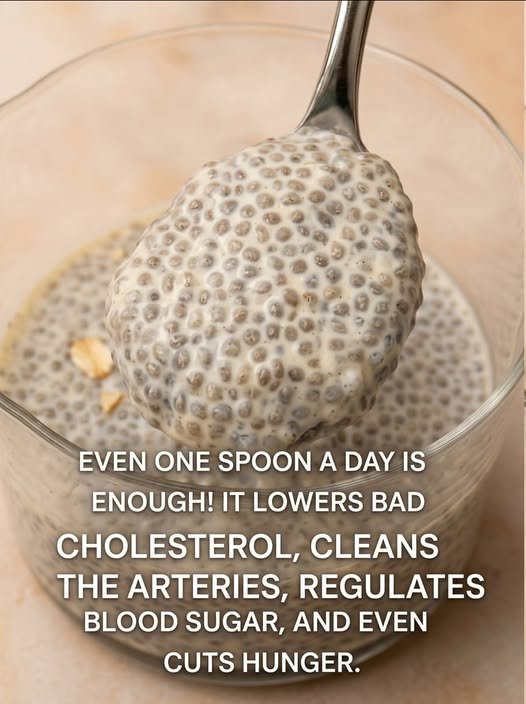
Chia seeds are packed with soluble fiber and omega-3 fatty acids, specifically alpha-linolenic acid (ALA). Soluble fiber forms a gel in the digestive tract, which can bind to cholesterol and prevent its absorption, leading to lower LDL (“bad”) cholesterol levels. ALA, on the other hand, is known for its anti-inflammatory properties and its role in improving cardiovascular health. It helps to reduce inflammation in blood vessels, potentially contributing to cleaner, more flexible arteries and better overall heart health. Regular consumption of foods rich in these nutrients, like chia seeds, can be a significant part of a heart-healthy diet.
How do chia seeds help regulate blood sugar?
The high fiber content in chia seeds plays a crucial role in blood sugar regulation. When consumed, the soluble fiber in chia seeds forms a viscous gel in the stomach, which slows down the digestion and absorption of carbohydrates. This gradual release of sugars into the bloodstream prevents rapid spikes in blood glucose levels, which is particularly beneficial for individuals managing diabetes or those looking to maintain stable energy levels throughout the day. This slow release also contributes to sustained energy and helps avoid the crashes often associated with high-sugar foods.
Can chia pudding really suppress hunger and aid in weight management?
Absolutely! The combination of fiber, protein, and healthy fats in chia seeds makes them incredibly satiating. The soluble fiber absorbs a significant amount of water, expanding in your stomach and creating a feeling of fullness that lasts for hours. This reduces the likelihood of overeating or snacking on unhealthy foods between meals. Additionally, the protein content contributes to satiety and helps preserve muscle mass, which is important for metabolism. By keeping you feeling full and satisfied, chia pudding can naturally lead to a reduction in overall calorie intake, supporting healthy weight management goals.
Is chia seed pudding suitable for everyone, including those with dietary restrictions?
Yes, chia seed pudding is remarkably versatile and suitable for a wide range of dietary needs. It is naturally gluten-free, making it an excellent option for individuals with celiac disease or gluten sensitivity. When prepared with plant-based milks like almond, soy, oat, or coconut milk, it is entirely vegan and dairy-free, catering to those with lactose intolerance or following a plant-based diet. It’s also a great source of nutrients for those looking to boost their fiber, omega-3s, and plant-based protein intake. Always ensure any additional toppings or sweeteners chosen align with specific dietary restrictions.