Instructions
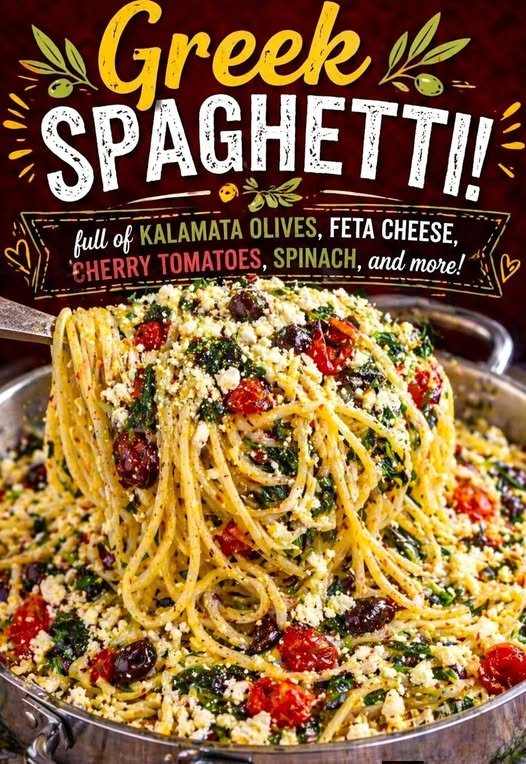
- Bring a large pot of salted water to a rolling boil. Add the spaghetti and cook according to package directions until al dente. Before draining, reserve 1/2 cup of the starchy pasta water. Drain the spaghetti and set aside.
- While the spaghetti is cooking, heat the 1/4 cup of olive oil in a large skillet or Dutch oven over medium heat. Add the minced garlic and sauté for 1-2 minutes until fragrant, being careful not to burn it.
- Add the halved cherry tomatoes to the skillet. Cook for 5-7 minutes, stirring occasionally, until they begin to soften and burst, releasing their juices.
- Stir in the Kalamata olives, dried oregano, and red pepper flakes (if using). Cook for another 2 minutes to allow the flavors to meld.
- Add the chopped spinach to the skillet. Cook, stirring frequently, until the spinach wilts down, which should only take 2-3 minutes.
- Add the cooked and drained spaghetti to the skillet with the vegetables. Pour in the reserved 1/2 cup of pasta water and the lemon juice.
- Toss everything together thoroughly, ensuring the pasta is well coated with the sauce and vegetables.
- Remove the skillet from the heat. Gently fold in the crumbled feta cheese, fresh parsley, and fresh dill.
- Taste and adjust seasoning with salt and freshly ground black pepper as needed. Remember that feta and olives are quite salty, so add salt cautiously.
- Serve immediately, garnished with extra fresh herbs and a drizzle of good quality extra virgin olive oil, if desired.
Cooking Tips and Variations
For the absolute best Greek Spaghetti experience, always start with good quality ingredients. Using block feta packed in brine and crumbling it yourself will yield a far superior flavor and creamier texture compared to pre-crumbled varieties which can be dry. A high-quality extra virgin olive oil is also crucial, as it forms the base of our simple yet flavorful sauce. When cooking your spaghetti, ensure it’s al dente—still firm to the bite—as it will continue to cook slightly when tossed with the hot sauce. Don’t forget to reserve some pasta water; this starchy liquid is your secret weapon for creating a silky, emulsified sauce that clings beautifully to the pasta.
This recipe is wonderfully versatile and can be customized to suit your preferences or what you have on hand. For a heartier meal, consider adding a protein: grilled chicken, sautéed shrimp, or even crumbled lamb sausage would be delicious additions. If you’re looking for more vegetables, chopped bell peppers, zucchini, or even roasted eggplant would integrate well. For a different cheesy twist, while not strictly Greek, a sprinkle of grated Parmesan or Pecorino Romano at the end can add another layer of salty, umami flavor. To enhance the brightness, a little lemon zest grated over the top just before serving provides an aromatic lift that complements the other flavors perfectly. For those who enjoy a bit of heat, increase the red pepper flakes or add a pinch of finely diced fresh chili.
Storage and Reheating
Leftover Incredible Greek Spaghetti can be stored in an airtight container in the refrigerator for up to 3-4 days. It makes for a fantastic quick lunch or dinner the next day! The flavors often deepen overnight, making it even more enjoyable.
When reheating, it’s best to do so gently to prevent the pasta from drying out or becoming mushy. For individual portions, microwave on medium power, stirring occasionally, until heated through. You might want to add a splash of water or vegetable broth to help rehydrate the pasta and loosen the sauce. For larger quantities, reheat gently in a skillet over low to medium heat, adding a tablespoon or two of water or broth and stirring frequently until warmed. Avoid high heat, as this can cause the feta to become oily and the spinach to overcook. A fresh drizzle of olive oil and a sprinkle of fresh herbs after reheating can really revive the dish and bring back its vibrant flavors.
Frequently Asked Questions
Can I make this Greek Spaghetti vegan?
Absolutely! To make this dish vegan, simply omit the feta cheese. You can replace it with a vegan feta alternative or a sprinkle of nutritional yeast for a cheesy, umami flavor. The rest of the ingredients are naturally plant-based, making it a delicious and satisfying vegan meal.
What kind of pasta works best for this recipe?
While spaghetti is called for in the recipe and provides a classic experience, you can certainly use other long pasta shapes like linguine, fettuccine, or even bucatini. Shorter pasta shapes like penne or rotini would also work well, especially if you prefer a dish that’s easier to eat with a fork. The key is to choose a pasta that can hold the sauce and ingredients effectively.
Can I add other vegetables to this dish?
Yes, this recipe is highly customizable! Feel free to add other Mediterranean-friendly vegetables. Sautéed bell peppers (red, yellow, or orange), zucchini, or even artichoke hearts would be delicious additions. If you enjoy roasted vegetables, you could roast some eggplant or red onion separately and then toss them in at the end with the pasta.
Is this dish good for meal prepping?
Yes, this Greek Spaghetti is excellent for meal prepping! It holds up well in the refrigerator for several days, and the flavors often deepen overnight. Just be sure to store it in an airtight container. When reheating, add a splash of water or broth to maintain moisture and freshness.