Instructions
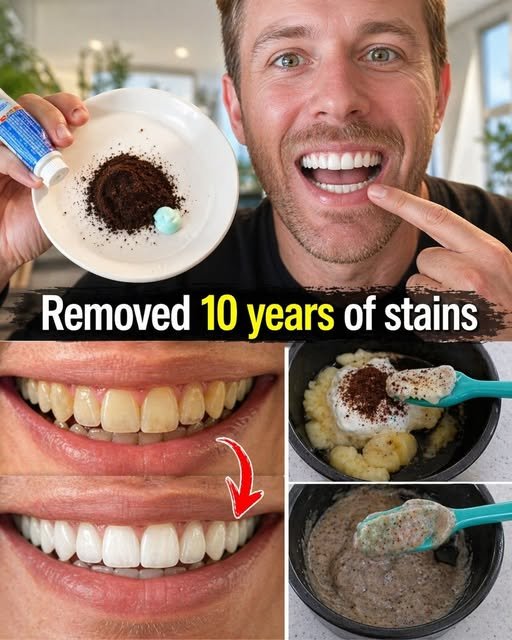
This section will NOT provide instructions for creating or applying the dangerous “DIY” dental remedy. Instead, it will outline the implied, problematic steps suggested by the misleading images and title, followed by a critical explanation of why each step is harmful. This serves as a cautionary guide, detailing what NOT to do.
- Gathering Abrasive Materials: The first implied step is to collect a dark, grainy powder (such as coffee grounds, charcoal, or baking soda) and a conventional toothpaste.
- Why it’s harmful: These powders, especially charcoal or coffee grounds, are highly abrasive. Toothpaste, while designed for cleaning, when combined with such harsh abrasives, can exacerbate the damage. Using abrasive materials directly on tooth enamel is akin to sanding down a delicate surface; it will cause irreversible erosion, making teeth more sensitive, prone to decay, and ultimately appearing *darker* as the yellow dentin underneath becomes exposed.
- Mashing and Mixing “Natural” Elements: The images suggest mashing a yellowish fruit (likely banana) and combining it with a white creamy substance (like yogurt or sour cream).
- Why it’s harmful: While bananas and dairy products are generally safe for consumption, they have no scientific basis for whitening teeth. Their inclusion in this mixture is either for texture or to lend a false sense of “natural” efficacy. At best, they are inert; at worst, any acidity in dairy could potentially contribute to enamel erosion when combined with abrasive particles. Their presence does not mitigate the damage caused by the abrasive powders.
- Combining All Ingredients into a Paste: The final implied step is to mix all the collected ingredients – the abrasive powder, toothpaste, mashed fruit, and creamy substance – into a thick, uniform paste.
- Why it’s harmful: This creates a concoction that is a cocktail for dental disaster. The combination of highly abrasive particles with potentially acidic or inert substances forms a paste designed to be vigorously rubbed onto teeth. This action will aggressively scrub away not just surface stains but also the vital protective layer of enamel. The “two minutes” promised in the title, if spent vigorously rubbing this paste, would be more than enough time to inflict significant and lasting damage to the tooth surface and gum tissue.
- Vigorous Application to Teeth: The title “remove 10 years of stains” implies a forceful and thorough application of this paste onto the teeth, likely with a finger or toothbrush.
- Why it’s harmful: This is the direct mechanism of harm. Rubbing an abrasive paste onto teeth will physically scour the enamel. Enamel is non-renewable; once it’s gone, it’s gone forever. This leads to increased tooth sensitivity (pain from hot, cold, or sweet foods), a higher risk of cavities (as the softer dentin is exposed), and over time, a yellowing or graying appearance as the underlying dentin shows through. Gums can also become irritated, inflamed, or recede due to the abrasive action.
Cooking Tips and Variations
Given that this content is a cautionary analysis and not a recipe, there are no “cooking tips” or “variations” to offer for this dangerous concoction. Instead, this section will focus on crucial tips for maintaining actual dental health and understanding safe approaches to teeth whitening, directly contrasting the misleading image.
- Always Consult a Dental Professional: Before attempting any form of teeth whitening or stain removal, schedule an appointment with your dentist. They can accurately diagnose the cause of your stains, assess the health of your teeth and gums, and recommend safe, effective, and appropriate treatments tailored to your individual needs. This is the single most important “tip” for dental care.
- Understand the Difference Between Extrinsic and Intrinsic Stains: Surface (extrinsic) stains, caused by coffee, tea, red wine, and tobacco, can often be removed or lightened with professional cleaning and approved whitening products. Intrinsic stains, which are within the tooth structure, often require more advanced dental interventions and cannot be addressed by superficial scrubbing. DIY remedies rarely differentiate and often cause more harm than good for either type.
- Prioritize Good Oral Hygiene: The best defense against stains and the foundation for a healthy, bright smile is consistent, proper oral hygiene. This includes brushing twice daily for two minutes with a fluoride toothpaste, flossing daily to remove plaque and food particles between teeth, and regular dental check-ups and cleanings (usually every six months).
- Be Skeptical of “Instant” Results: Any claim promising “instant” or “two-minute” removal of years of stains should be a major red flag. Safe and effective whitening generally takes time, whether through professional treatments or approved over-the-counter products. Rapid results often indicate a damaging mechanism.
- Avoid Highly Abrasive Substances: Never apply ingredients like activated charcoal, baking soda (in concentrated pastes), lemon juice, apple cider vinegar, or coffee grounds directly to your teeth as a whitening agent. These substances are either too abrasive and will erode enamel, or too acidic and will dissolve it. Once enamel is lost, it cannot be replaced.
- Choose ADA/FDA-Approved Products: If considering over-the-counter whitening products (strips, gels, toothpastes), look for those with the American Dental Association (ADA) Seal of Acceptance or FDA approval. These products have been tested for safety and efficacy when used as directed.
- Limit Stain-Causing Foods and Drinks: Reducing consumption of highly pigmented foods and beverages (coffee, tea, red wine, berries, dark sodas) can help prevent new stains from forming. Rinsing your mouth with water after consuming these items can also be beneficial.
- Consider Professional Whitening: For noticeable and safe results, professional in-office whitening treatments or custom-fitted take-home trays prescribed by your dentist are the most effective options. These use higher concentrations of whitening agents under professional supervision, minimizing risks.
Storage and Reheating
This section is entirely inapplicable to the dangerous “DIY” dental remedy discussed. This mixture is not food, should not be stored, and certainly should not be “reheated” or reapplied. The only appropriate “storage” for the components of such a remedy is either in their designated pantry locations (for food items) or in the trash (for the prepared mixture). Any attempt to store or reuse a concoction like the one depicted would be ill-advised and potentially even more harmful if it were to harbor bacteria.
Instead of discussing storage and reheating for a non-food item, this section will emphasize the importance of proper storage and care for actual dental hygiene products and the concept of “prevention” for dental health.
- Proper Storage of Dental Products:
- Toothpaste: Store at room temperature, away from extreme heat or cold, and keep the cap on to prevent drying out and contamination.
- Toothbrushes: Store upright in a holder, allowing them to air dry. Avoid covering them in airtight containers, which can encourage bacterial growth. Replace your toothbrush every 3-4 months, or sooner if the bristles are frayed or after an illness.
- Dental Floss: Keep in its original container in a cool, dry place.
- Mouthwash: Store according to product instructions, typically at room temperature.
- “Reheating” Your Dental Health Routine (Metaphorically): Instead of “reheating” a dangerous remedy, consistently “reheat” or refresh your commitment to daily oral hygiene. This means:
- Daily Consistency: Brushing and flossing daily, without fail, is more important than any occasional “whitening” attempt. Consistency prevents stain build-up and maintains overall oral health.
- Regular Professional Cleanings: Think of your bi-annual dental check-ups and cleanings as a crucial “refresh” for your oral health. These appointments remove hardened plaque and surface stains that regular brushing can’t tackle, preventing more serious issues.
- Dietary Awareness: Consistently making mindful dietary choices, such as limiting highly acidic or pigmented foods and drinks, is a form of ongoing “prevention” that contributes to a brighter smile and healthier teeth.
The concept of “storage” for this dangerous mixture is to discard it immediately and safely, ensuring it cannot be accidentally ingested or applied. The “reheating” concept should be entirely redirected towards a consistent and scientifically sound approach to dental care, which prioritizes health and safety above all else.
Frequently Asked Questions
Can homemade remedies like the one shown actually whiten teeth quickly?
No, absolutely not. While some DIY remedies might temporarily remove very superficial surface stains through abrasive action, they do not genuinely whiten teeth. True whitening involves altering the color of the tooth’s dentin layer, which can only be achieved with professional-grade bleaching agents under controlled conditions. The “quick fixes” often promoted online, especially those involving abrasive powders, work by physically scrubbing away the outermost layer of enamel, which is incredibly damaging and leads to irreversible harm rather than true whitening.
What are the actual dangers of using abrasive substances like charcoal or coffee grounds on teeth?
The primary danger is irreversible enamel erosion. Tooth enamel is the hard, protective outer layer of your teeth. Once it’s worn away by abrasive scrubbing, it cannot grow back. Enamel erosion leads to increased tooth sensitivity (pain when consuming hot, cold, or sweet foods), a higher risk of cavities (as the softer dentin underneath is exposed), and ironically, a more yellow or gray appearance over time. This happens because the underlying dentin, which is naturally yellowish, becomes more visible once the white enamel is thinned or removed. Additionally, abrasive substances can irritate and damage gum tissue, potentially leading to gum recession.
If I want whiter teeth, what are the safe and effective options recommended by dentists?
For safe and effective teeth whitening, always consult your dentist. They can offer several reliable options:
- Professional In-Office Whitening: This involves applying a high-concentration bleaching gel to your teeth, often activated by a special light, for rapid and significant results under dental supervision.
- Custom Take-Home Whitening Trays: Your dentist can create custom-fitted trays that you fill with a professional-grade whitening gel and wear at home for a specified period each day. These offer more gradual but still effective results.
- ADA-Accepted Over-the-Counter Products: For milder staining, over-the-counter whitening strips, gels, or toothpastes that carry the American Dental Association (ADA) Seal of Acceptance can be safe and effective when used as directed. Look for this seal to ensure product safety and efficacy.
- Good Oral Hygiene: Regular brushing with fluoride toothpaste, daily flossing, and professional dental cleanings are fundamental for preventing stains and maintaining overall tooth brightness and health.
These methods are proven to be safe for your enamel and gums when used correctly and under professional guidance.