Instructions
- Prepare the Chicken: Pat the chicken pieces very dry with paper towels. This is crucial for getting a good sear. Season lightly with salt and black pepper.
- Sear the Chicken: Heat the vegetable oil in a large skillet or wok over medium-high heat. Once hot, add the chicken pieces in a single layer, being careful not to overcrowd the pan. You may need to do this in batches. Cook for 3-4 minutes per side, until golden brown and cooked through. Remove the chicken from the skillet and set aside.
- Sauté Aromatics: Reduce the heat to medium. Add the minced garlic and grated ginger to the same skillet (add a tiny bit more oil if needed). Sauté for about 30-60 seconds, until fragrant, being careful not to burn the garlic.
- Whisk the Sauce: In a small bowl, whisk together the soy sauce, honey, rice vinegar, and brown sugar until the sugar is dissolved.
- Thicken the Sauce: In another small bowl, whisk together the cornstarch and water to create a slurry.
- Combine and Simmer: Pour the sauce mixture into the skillet with the aromatics. Bring to a gentle simmer, stirring occasionally.
- Add Cornstarch Slurry: Once simmering, slowly whisk in the cornstarch slurry. Continue to whisk and cook for 1-2 minutes, until the sauce thickens to a glossy, syrupy consistency that coats the back of a spoon.
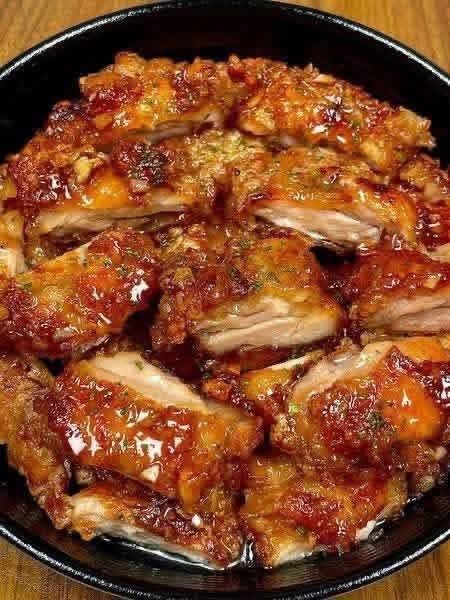
- Return Chicken to Skillet: Add the cooked chicken back into the skillet with the thickened sauce. Toss gently to coat all the chicken pieces evenly. Cook for another 1-2 minutes, allowing the chicken to warm through and absorb the delicious sauce.
- Finish and Serve: Remove from heat. Stir in the sesame oil, if using. Garnish generously with sliced green onions and sesame seeds. Serve immediately with your favorite sides.
Cooking Tips and Variations
For the best sticky chicken, don’t skimp on patting the chicken dry before searing. Excess moisture will steam the chicken instead of browning it, preventing that beautiful golden crust. When searing, make sure not to overcrowd your pan; if you try to cook too much chicken at once, the temperature of the pan will drop, and you’ll end up with steamed chicken instead of perfectly seared pieces. Cook in batches if necessary, and resist the urge to move the chicken too much until it has developed a nice crust on one side.
If you prefer a spicier kick, feel free to add a pinch of red pepper flakes to the sauce along with the garlic and ginger, or drizzle a little sriracha into the sauce at the end. For an extra layer of flavor, consider marinating the chicken for 30 minutes to an hour in a tablespoon of soy sauce and a teaspoon of sesame oil before cooking. This will infuse the chicken with even more savory goodness. You can also experiment with different proteins; this sauce would be fantastic with pork tenderloin, shrimp, or even firm tofu for a vegetarian option. Just adjust cooking times accordingly. For a deeper, richer color and flavor, you can use dark soy sauce in place of half of the regular low-sodium soy sauce.
To make this dish a complete meal, serve it over fluffy white rice or brown rice to soak up every last drop of that incredible sauce. Steamed broccoli, roasted asparagus, or a simple side salad would also be excellent accompaniments. For a noodle bowl experience, serve it over cooked ramen noodles or rice vermicelli. The versatility of this sticky chicken means you can pair it with almost anything to create a satisfying and well-rounded dinner.
Storage and Reheating
Leftover sticky chicken can be stored in an airtight container in the refrigerator for up to 3-4 days. To reheat, the best method is to gently warm it in a skillet over medium-low heat. Add a splash of water or chicken broth to help loosen the sauce and prevent it from drying out. Stir occasionally until heated through. You can also microwave it in short bursts, stirring in between, but be mindful that microwaving can sometimes make the chicken a bit tougher. Avoid overheating, as this can dry out the chicken and make the sauce overly thick.
Frequently Asked Questions
Can I prepare the sauce in advance?
Absolutely! You can whisk together all the sauce ingredients (soy sauce, honey, rice vinegar, brown sugar) a day or two in advance and store it in an airtight container in the refrigerator. When you’re ready to cook, simply make the cornstarch slurry and proceed with the recipe from step 3. This is a great way to cut down on weeknight prep time.
What can I use if I don’t have rice vinegar?
If you don’t have rice vinegar, you can substitute it with apple cider vinegar, though it will impart a slightly different flavor profile. White wine vinegar could also work in a pinch. The goal is to add a touch of acidity to balance the sweetness and richness of the sauce, so any mild vinegar will do, but rice vinegar is preferred for its delicate, slightly sweet tang.
My sauce isn’t thickening. What should I do?
If your sauce isn’t thickening, it’s likely due to one of two reasons: either the heat isn’t high enough, or you need more cornstarch. Ensure your sauce is at a gentle simmer, not just warm. If it’s simmering and still thin after a minute or two, mix another 1/2 tablespoon of cornstarch with 1 tablespoon of cold water to create a new slurry, and slowly whisk it into the simmering sauce. Continue to cook and stir until it reaches your desired thickness. Remember, the sauce will also thicken slightly as it cools.