Instructions
- Preheat your oven to 375°F (190°C). Lightly grease a 9×13 inch baking dish.
- In a large bowl, combine the broccoli florets, halved cherry tomatoes, diced red bell pepper, diced yellow bell pepper, diced carrot, and frozen corn kernels. Toss gently to mix the vegetables evenly. Transfer the mixed vegetables to the prepared baking dish, spreading them out in an even layer.
- Heat the olive oil in a medium saucepan over medium heat. Add the chopped onion and sauté for 3-4 minutes until softened and translucent. Add the minced garlic and cook for another minute until fragrant, being careful not to burn it.
- Sprinkle the flour over the onion and garlic mixture. Whisk continuously for 1 minute to cook out the raw flour taste, creating a roux.
- Gradually pour in the skim milk (or almond milk) while whisking constantly to prevent lumps. Continue whisking until the sauce thickens and comes to a gentle simmer, about 3-5 minutes.
- Remove the saucepan from the heat. Stir in the dried dill, black pepper, salt, and red pepper flakes (if using). Add the grated Parmesan cheese and stir until it’s fully melted and incorporated into the sauce. Taste and adjust seasonings if necessary.
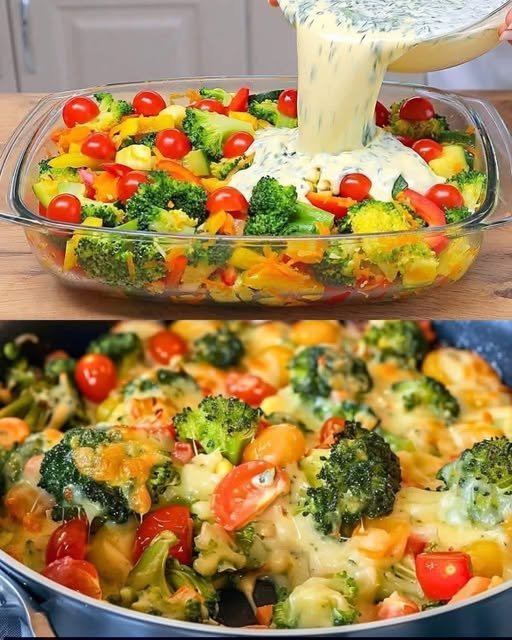
- Pour the creamy sauce evenly over the vegetables in the baking dish, making sure to coat them well.
- Sprinkle the shredded reduced-fat cheddar cheese evenly over the top of the casserole.
- Bake for 25-30 minutes, or until the vegetables are tender-crisp and the cheese is melted, bubbly, and lightly golden brown. If the top is browning too quickly, you can loosely cover it with foil for the last 10 minutes of baking.
- Remove the casserole from the oven and let it rest for 5-10 minutes before serving. This allows the sauce to set slightly and makes for easier serving.
Cooking Tips and Variations
For the best results with your “Eat Day and Night” Vegetable Casserole, pay attention to these tips. Firstly, ensure your vegetables are cut into uniform, bite-sized pieces. This promotes even cooking and ensures every forkful is perfectly balanced. Overcrowding the baking dish can lead to steamed rather than roasted vegetables, so if you’re doubling the recipe, consider using two dishes or a larger one. When preparing the sauce, whisk constantly as you add the milk to prevent lumps; a smooth sauce is key to a creamy, delicious casserole. Don’t be afraid to taste the sauce before pouring it over the vegetables and adjust the seasonings – a little extra salt, pepper, or dill can make all the difference.
This casserole is incredibly versatile, making it easy to adapt to your preferences or what you have on hand. For a protein boost, consider adding 1 cup of cooked, shredded chicken breast, canned tuna (drained), cooked shrimp, or even sautéed firm tofu cubes along with the vegetables before adding the sauce. If you’re vegetarian or vegan, swap the dairy milk for unsweetened almond or soy milk and use your favorite dairy-free cheeses. Nutritional yeast can also add a cheesy flavor to a vegan sauce. Feel free to experiment with other vegetables based on the season or your cravings. Zucchini, spinach, mushrooms, cauliflower, green beans, or even sweet potato cubes can be fantastic additions. Just be mindful of their cooking times; denser vegetables like sweet potatoes might benefit from a quick pre-steam or blanch. For an extra layer of flavor, try different herbs like dried oregano, thyme, or a pinch of smoked paprika. You can also add a sprinkle of breadcrumbs mixed with a little Parmesan cheese on top for an extra crispy crust.
Storage and Reheating
This “Eat Day and Night” Vegetable Casserole is excellent for meal prepping, as it stores and reheats beautifully. To store, allow the casserole to cool completely to room temperature after baking. Once cooled, you can either cover the entire baking dish tightly with plastic wrap or aluminum foil, or divide individual portions into airtight containers. Properly stored in the refrigerator, the casserole will stay fresh for 3-4 days. For longer storage, you can freeze individual portions in freezer-safe containers for up to 2-3 months. If freezing, make sure the containers are airtight to prevent freezer burn.
When it comes to reheating, there are a few convenient options. From the refrigerator, individual portions can be reheated in the microwave for 1-2 minutes, stirring halfway through, until heated through. If reheating a larger portion or the entire casserole, cover it loosely with foil to prevent drying out and bake in a preheated oven at 300°F (150°C) for 15-20 minutes, or until warmed through. You can remove the foil for the last few minutes if you want the cheese topping to crisp up again. If reheating from frozen, it’s best to thaw the casserole in the refrigerator overnight first. Once thawed, reheat as you would from the refrigerator. Reheating directly from frozen will take longer in the oven (around 30-40 minutes) and may result in a slightly softer texture.
Frequently Asked Questions
What makes this casserole good for weight loss?
This casserole is excellent for weight loss due to its high fiber content from the abundance of vegetables, which promotes satiety and keeps you feeling full for longer. It’s also low in calories and fat, especially when using skim milk and reduced-fat cheese, while being packed with essential nutrients. The creamy texture and cheesy topping make it feel indulgent without the guilt, helping you stick to your calorie goals without feeling deprived.
Can I prepare this casserole ahead of time?
Absolutely! This casserole is perfect for meal prepping. You can assemble the entire casserole (without baking) and cover it tightly, then refrigerate for up to 24 hours before baking. When ready to bake, you might need to add an extra 5-10 minutes to the baking time since it will be going into the oven cold. You can also chop all your vegetables a day or two in advance and store them in airtight containers in the fridge, making assembly on baking day much quicker.
Can I make this casserole dairy-free or gluten-free?
Yes, easily! For a dairy-free version, simply swap the skim milk for an unsweetened plant-based milk like almond or soy milk, and use your favorite dairy-free shredded cheese and Parmesan alternatives. To make it gluten-free, substitute the all-purpose flour in the sauce with a gluten-free all-purpose flour blend or cornstarch (use slightly less cornstarch, about 1.5 tablespoons, mixed with a little cold water before adding to the hot pan).