Instructions
- Prepare the Chicken Marinade: In a medium bowl, combine the chicken pieces with the egg, 2 tablespoons soy sauce, 1 tablespoon rice vinegar, 1 teaspoon sesame oil, and 1/2 teaspoon black pepper. Mix well to ensure all chicken pieces are coated. Cover and marinate in the refrigerator for at least 30 minutes, or up to 2 hours for best flavor.
- Prepare the Dredging Mixture: In a separate shallow bowl, whisk together the 1/2 cup cornstarch, 1/4 cup all-purpose flour, and 1 teaspoon baking powder.
- Dredge the Chicken: Remove the chicken from the marinade, letting any excess drip off. Working in batches, dredge the chicken pieces thoroughly in the cornstarch-flour mixture, ensuring each piece is fully coated. Gently shake off any excess coating. Place the coated chicken on a wire rack set over a baking sheet to allow the coating to adhere while you heat the oil.
- Heat the Frying Oil: Pour enough vegetable, canola, or peanut oil into a large heavy-bottomed pot or Dutch oven to reach a depth of about 2-3 inches. Heat the oil over medium-high heat until it reaches 350-375°F (175-190°C). Use a kitchen thermometer to ensure accuracy. If you don’t have a thermometer, drop a tiny piece of coating into the oil; it should sizzle and float to the top immediately.
- Fry the Chicken (First Fry): Carefully add the coated chicken pieces to the hot oil in batches, making sure not to overcrowd the pot. Overcrowding will lower the oil temperature and result in soggy chicken. Fry for 3-4 minutes per batch, or until the chicken is lightly golden brown and cooked through. The internal temperature should reach 165°F (74°C). Remove the chicken with a slotted spoon or spider and transfer it to a clean wire rack set over a paper towel-lined baking sheet to drain. Repeat with remaining chicken.
- Prepare the General Tso’s Sauce: While the chicken is frying, prepare the sauce. In a medium bowl, whisk together the chicken broth, 1/4 cup soy sauce, granulated sugar, 2 tablespoons rice vinegar, hoisin sauce, ketchup, 1 tablespoon cornstarch, 1 teaspoon sesame oil, and red pepper flakes until smooth and no lumps of cornstarch remain. Set aside.
- Sauté the Aromatics: Once all the chicken is fried, carefully pour out most of the frying oil from the pot, leaving about 2 tablespoons. Heat this oil over medium heat. Add the minced garlic and grated ginger and sauté for 30-60 seconds until fragrant, being careful not to burn the garlic.
- Thicken the Sauce: Give the prepared sauce mixture a quick whisk again (cornstarch tends to settle). Pour the sauce into the pot with the aromatics. Bring to a gentle simmer, stirring constantly, until the sauce thickens and becomes glossy, about 2-3 minutes. It should be thick enough to coat the back of a spoon.
- Second Fry the Chicken (Optional, but Recommended for Extra Crispness): For ultimate crispiness, increase the oil temperature to 375-400°F (190-205°C). Return the already fried chicken to the hot oil for a second fry, in batches, for 1-2 minutes until deeply golden brown and extra crispy. This step is crucial for preventing the chicken from becoming soggy when coated in the sauce. Remove and drain on a wire rack.
- Combine Chicken and Sauce: Add the crispy, double-fried chicken pieces directly into the thickened sauce in the pot. Toss gently but quickly to ensure every piece of chicken is evenly coated in the glossy sauce.
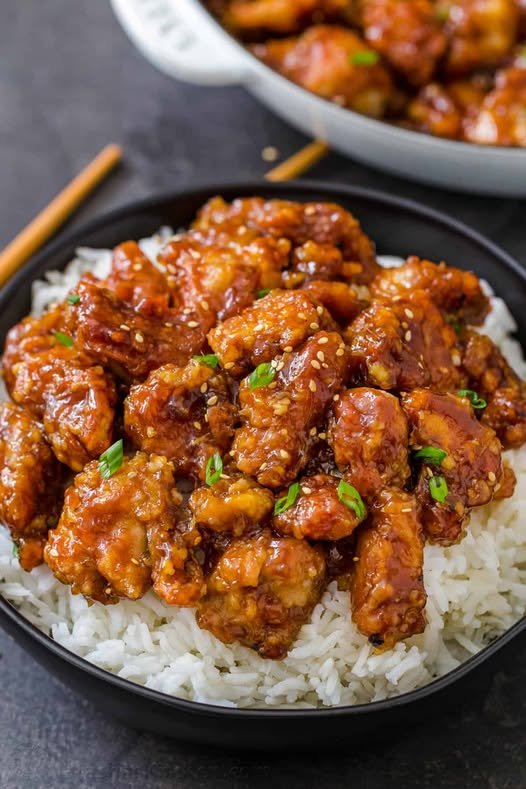
- Serve Immediately: Transfer the General Tso’s Chicken to a serving platter. Garnish generously with toasted sesame seeds and sliced green onions. Serve hot over a bed of freshly cooked white rice.
Cooking Tips and Variations
For the Crispiest Chicken: The double-fry method is your secret weapon. The first fry cooks the chicken through and sets the coating, while the second, hotter fry creates that incredible, shatteringly crisp exterior. Don’t skip it if you want restaurant-quality crispiness. Also, ensure your oil maintains a consistent temperature; too low, and your chicken will be greasy; too high, and it will burn before cooking through. A thermometer is invaluable here. Finally, don’t overcrowd the pot during frying; this instantly drops the oil temperature and leads to soggy results. Fry in small batches.
Achieving the Perfect Sauce Consistency: The cornstarch in the sauce recipe is key to its glossy, thick texture. If your sauce seems too thin, you can create a small slurry with 1 teaspoon of cornstarch and 1 tablespoon of cold water, then slowly whisk it into the simmering sauce until it reaches your desired consistency. If it becomes too thick, a splash of chicken broth or water can thin it out. Remember to whisk the sauce mixture thoroughly before adding it to the pan, as cornstarch settles quickly.
Spice Level Control: The red pepper flakes are what bring the “spicy” to General Tso’s. For a milder dish, reduce the amount or omit them entirely. For a bolder kick, add more red pepper flakes, or even a dash of sriracha or a few drops of chili oil to the finished sauce. Taste and adjust as you go to find your perfect balance.
Chicken Cut Variations: While chicken thighs are often preferred for their juiciness and flavor, boneless, skinless chicken breasts work just as well. If using breasts, be mindful not to overcook them during frying, as they can dry out more easily. Cut all chicken pieces to a uniform size (about 1-inch) to ensure even cooking.
Vegetable Additions: To make this a more complete meal, consider adding some stir-fried vegetables to the sauce along with the chicken. Broccoli florets, bell peppers (red or green), snap peas, or sliced carrots would all be delicious additions. Blanch or lightly stir-fry them separately before adding them to the sauce with the chicken to maintain their crispness and vibrant color.
Gluten-Free Option: To make this recipe gluten-free, substitute tamari for soy sauce, ensure your hoisin sauce is gluten-free, and use a gluten-free all-purpose flour blend in the dredging mixture. The cornstarch is naturally gluten-free.
Make-Ahead Tips: You can prepare the sauce ahead of time and store it in an airtight container in the refrigerator for up to 3 days. The chicken can be cut and marinated a day in advance. However, for the best crispiness, it’s recommended to fry the chicken and combine it with the sauce just before serving. If you must fry the chicken ahead, you can lightly re-crisp it in a hot oven or air fryer before tossing with the warmed sauce.
Storage and Reheating
Storing Leftovers: General Tso’s Chicken is best enjoyed fresh, but leftovers can be stored in an airtight container in the refrigerator for up to 3-4 days. Be aware that the chicken will lose some of its crispiness once it’s been coated in the sauce and refrigerated.
Reheating Instructions:
- Oven Method (Recommended for best texture): Preheat your oven to 350°F (175°C). Spread the leftover General Tso’s Chicken in a single layer on a baking sheet. Heat for 10-15 minutes, or until heated through and the sauce is bubbly. This method helps to re-crisp the chicken slightly, though it won’t be as crispy as fresh.
- Air Fryer Method: Place the chicken in a single layer in your air fryer basket. Air fry at 350°F (175°C) for 5-8 minutes, shaking the basket halfway through, until heated through and somewhat re-crisped.
- Microwave Method (Quickest, but chicken will be softer): Place the chicken in a microwave-safe dish. Heat on medium power for 1-2 minutes, stirring halfway through, until hot. The chicken will soften considerably with this method.
Avoid reheating multiple times as the quality and texture will degrade. It’s best to reheat only the portion you plan to eat.
Frequently Asked Questions
What is the difference between General Tso’s Chicken and Orange Chicken?
While both are popular American Chinese dishes featuring crispy chicken in a sweet and tangy sauce, the main difference lies in their flavor profiles. General Tso’s Chicken typically has a more pronounced savory, spicy, and gingery flavor, often with a hint of fermented bean paste (though not always present in every recipe). Orange Chicken, on the other hand, puts a brighter, more citrusy emphasis on orange zest and juice, creating a distinctly orange-flavored sauce that is generally sweeter and less spicy than General Tso’s.
Can I bake or air fry the chicken instead of deep frying?
Yes, you can, but be aware that the texture will be different. Deep frying yields the crispiest results. To bake: Toss the coated chicken with 1-2 tablespoons of oil and spread in a single layer on a baking sheet. Bake at 400°F (200°C) for 20-25 minutes, flipping halfway, until golden brown and cooked through. To air fry: Spray the coated chicken lightly with oil and air fry at 375°F (190°C) for 12-18 minutes, shaking the basket every 5 minutes, until golden and cooked. While these methods are healthier, the chicken will be less crispy than deep-fried.
Why did my chicken turn out soggy?
Several factors can lead to soggy chicken. The most common reasons include not frying at a high enough oil temperature (which causes the chicken to absorb more oil), overcrowding the pot (which drops the oil temperature), and not performing a second fry (which helps to create a durable, extra-crispy crust). Additionally, letting the chicken sit in the sauce for too long before serving can also cause it to lose its crispness. For best results, always serve immediately after tossing with the sauce.
What can I serve with General Tso’s Chicken?
General Tso’s Chicken is traditionally served with steamed white rice, such as jasmine or basmati, to soak up all that delicious sauce. For a more balanced meal, consider adding a side of stir-fried vegetables like broccoli, snap peas, bok choy, or green beans. A simple cucumber salad or a side of steamed edamame can also provide a refreshing contrast to the rich chicken.