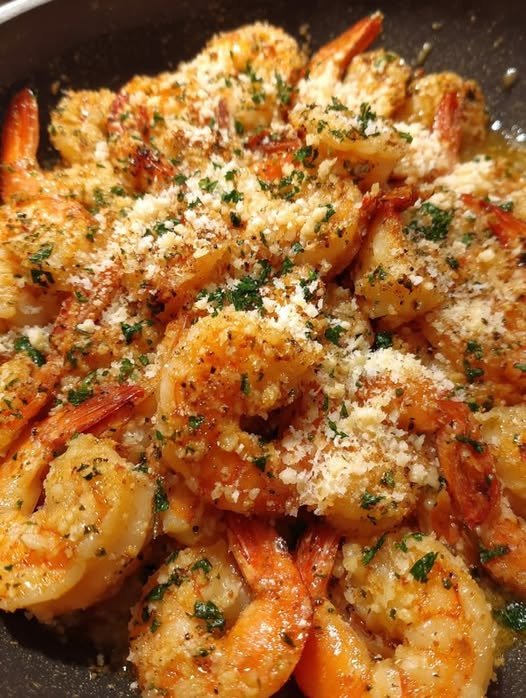
Instructions
- Pat the shrimp thoroughly dry with paper towels. This is a crucial step to ensure they sear beautifully and don’t steam. Season the shrimp generously with salt and freshly ground black pepper. If using, add red pepper flakes at this stage.
- Heat a large skillet or frying pan over medium-high heat. Add 2 tablespoons of unsalted butter and 1 tablespoon of olive oil. Swirl to coat the bottom of the pan.
- Once the butter is melted and sizzling, add half of the seasoned shrimp to the pan in a single layer, ensuring not to overcrowd it. Cook for 1-2 minutes per side, until the shrimp turn pink and opaque and are just cooked through. Remove the cooked shrimp from the pan and set aside on a plate.
- Add the remaining 2 tablespoons of butter and 1 tablespoon of olive oil to the same skillet. Once melted, add the minced garlic. Sauté for about 30-60 seconds, stirring constantly, until fragrant. Be careful not to burn the garlic, as burnt garlic will taste bitter.
- If using, pour in the white wine or chicken broth to deglaze the pan. Scrape up any browned bits from the bottom of the pan with a wooden spoon. Allow the liquid to simmer and reduce for about 1 minute.
- Return all of the cooked shrimp to the skillet. Sprinkle in the 1/2 cup of freshly grated Parmesan cheese and the chopped fresh parsley. Toss gently to coat the shrimp evenly in the garlicky, cheesy sauce. Cook for just another 30 seconds to 1 minute, allowing the cheese to melt and the flavors to meld. Do not overcook the shrimp during this step.
- Taste and adjust seasoning with additional salt and pepper if needed.
- Remove the skillet from the heat immediately. Serve hot, garnished with extra fresh parsley and a sprinkle of Parmesan cheese. Offer lemon wedges on the side for a burst of freshness.
Cooking Tips and Variations
For the absolute best Crevettes au Parmesan et à l’Ail, always start with high-quality, fresh shrimp. If using frozen shrimp, ensure they are fully thawed and thoroughly patted dry before cooking. This prevents them from releasing excess water into the pan, which can lead to steaming rather than searing, and dilutes the rich sauce. Don’t overcrowd your pan; cooking shrimp in batches allows each piece to cook evenly and develop a beautiful sear. Overcrowding drops the pan’s temperature, leading to rubbery shrimp. Freshly minced garlic is non-negotiable here; its vibrant, pungent flavor is far superior to garlic powder and forms the aromatic heart of the dish. When sautéing the garlic, keep a close eye on it, as it burns quickly and can turn bitter. You want it fragrant and lightly golden, not brown.
When it comes to the Parmesan, opt for freshly grated Pecorino Romano or Parmigiano Reggiano for an authentic, nutty, and salty depth of flavor that pre-grated varieties simply can’t match. The dry white wine or chicken broth used for deglazing is optional but highly recommended; it adds a layer of complexity and helps scrape up all those delicious browned bits from the pan, which then become part of your incredible sauce. Remember that shrimp cook very quickly – they should be pink and opaque. As soon as they reach this point, remove them from the heat to prevent overcooking, which makes them tough and chewy. This dish is best served immediately, as the shrimp’s texture is optimal when fresh from the pan.
To vary this delightful recipe, consider adding a squeeze of fresh lemon juice at the very end, just before serving, for a bright, acidic lift that cuts through the richness of the butter and cheese. For a touch of heat, increase the amount of red pepper flakes to your liking. You can also experiment with different fresh herbs; while parsley is classic, fresh basil or oregano would also complement the flavors beautifully. For a creamier sauce, stir in a tablespoon or two of heavy cream along with the Parmesan cheese. If you’re looking to make this a more substantial meal, serve it over spaghetti, linguine, or fettuccine, tossing the pasta directly into the pan with the shrimp to coat it in the luscious sauce. Alternatively, serve with a side of fluffy rice, quinoa, or roasted vegetables for a complete meal. For an appetizer, serve with crusty baguette slices for dipping.
Storage and Reheating
Crevettes au Parmesan et à l’Ail is undoubtedly at its best when served immediately, fresh from the pan. The shrimp are tender, the sauce is vibrant, and the flavors are at their peak. However, if you find yourself with leftovers, they can be stored safely in the refrigerator for later enjoyment.
To store, allow the dish to cool completely to room temperature. Once cooled, transfer the shrimp and any remaining sauce to an airtight container. Refrigerate promptly, and consume within 1-2 days for the best quality and safety. Beyond this timeframe, the texture of the shrimp tends to degrade, becoming tougher, and the flavors may not be as fresh.
When it comes to reheating, the key is to do so gently to avoid overcooking the shrimp, which can easily become rubbery. The best method for reheating is on the stovetop. Place the leftover Crevettes au Parmesan et à l’Ail in a skillet over low to medium-low heat. Add a splash of chicken broth or water, about 1-2 tablespoons, to help rehydrate the sauce and prevent the shrimp from drying out. Cover the skillet and heat gently, stirring occasionally, until the shrimp are just warmed through. This usually takes about 3-5 minutes. Avoid high heat, as it will cause the shrimp to seize up and become tough.
Alternatively, you can reheat in the microwave, though this method carries a higher risk of overcooking the shrimp. If using a microwave, place the leftovers in a microwave-safe dish, add a tablespoon of liquid, and cover loosely. Heat on 50% power for 1-minute intervals, stirring in between, until just warmed through. Be very careful not to overheat. It’s generally not recommended to reheat this dish multiple times, as the quality will continue to diminish with each reheating cycle.
Frequently Asked Questions
What kind of shrimp should I use for this recipe?
For Crevettes au Parmesan et à l’Ail, it’s best to use large or jumbo shrimp (21-25 count or 16-20 count per pound). This size ensures a good, meaty bite and makes them less prone to overcooking compared to smaller shrimp. You can use fresh or frozen shrimp, just make sure they are peeled and deveined. If using frozen, thaw them completely and pat them very dry before cooking to achieve the best sear and prevent a watery sauce.
Can I make this dish ahead of time?
While Crevettes au Parmesan et à l’Ail is best enjoyed immediately after cooking for optimal texture and flavor, you can do some prep work in advance. You can peel and devein the shrimp, mince the garlic, chop the parsley, and grate the Parmesan a day ahead. Store these components separately in airtight containers in the refrigerator. The actual cooking process is so quick (under 15 minutes) that it’s ideal to cook it right before serving to ensure the shrimp are tender and the sauce is fresh.
What can I serve with Crevettes au Parmesan et à l’Ail?
This versatile dish pairs wonderfully with a variety of sides. For a classic Italian-inspired meal, serve it over a bed of al dente pasta like linguine, spaghetti, or fettuccine, allowing the pasta to soak up the delicious garlic-Parmesan sauce. Other excellent choices include fluffy white rice, quinoa, or couscous. For a lighter option, a simple green salad with a vinaigrette dressing, steamed asparagus, or roasted broccoli would be fantastic. If serving as an appetizer, a crusty baguette or garlic bread is perfect for dipping into the flavorful sauce.
Can I make this recipe dairy-free or gluten-free?
Making this recipe dairy-free would require significant substitutions, as Parmesan cheese and butter are core components of the flavor profile. You could try using a dairy-free butter alternative and a plant-based Parmesan substitute, but the taste will be different. For a gluten-free version, the recipe is naturally gluten-free as long as you serve it without traditional wheat pasta or bread. If serving with pasta, opt for a gluten-free pasta alternative. Always double-check ingredient labels for any hidden gluten, especially in broths or seasonings.