Instructions
- Marinate the Chicken: In a medium bowl, toss the chicken pieces with 2 tablespoons of jerk seasoning until evenly coated. For best flavor, cover and refrigerate for at least 30 minutes, or up to 4 hours.
- Cook the Pasta: Bring a large pot of salted water to a rolling boil. Add the penne pasta and cook according to package directions until al dente. Reserve 1 cup of the pasta cooking water before draining.
- Cook the Chicken: While the pasta cooks, heat 1 tablespoon of olive oil in a large skillet or Dutch oven over medium-high heat. Add the marinated chicken pieces in a single layer, ensuring not to overcrowd the pan. Cook for 5-7 minutes, flipping occasionally, until the chicken is golden brown and cooked through. Remove the chicken from the skillet and set aside.
- Sauté the Vegetables: Reduce the heat to medium. Add 1 tablespoon of butter to the same skillet. Add the sliced red, yellow, and green bell peppers and red onion. Sauté for 5-7 minutes, stirring occasionally, until the vegetables are tender-crisp.
- Add Garlic and Deglaze: Stir in the minced garlic and cook for another minute until fragrant. Pour in the chicken broth, scraping up any browned bits from the bottom of the skillet with a wooden spoon. Bring to a simmer and let it reduce slightly, by about half.
- Create the Cream Sauce: Reduce the heat to low. Stir in the heavy cream and bring the sauce to a gentle simmer. Do not boil vigorously. Continue to simmer for 3-5 minutes, stirring occasionally, until the sauce thickens slightly.
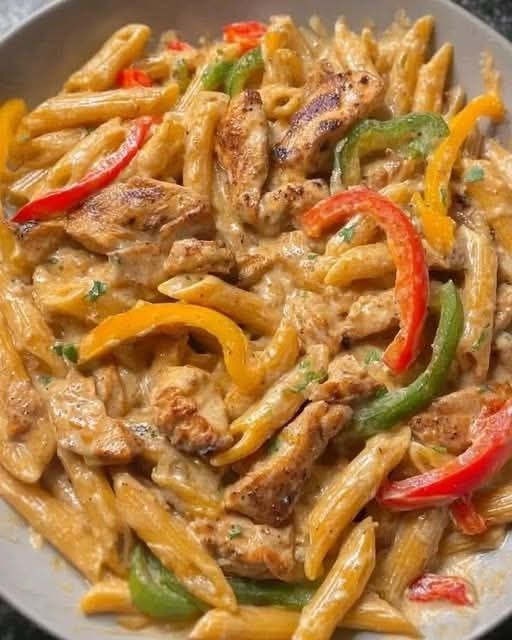
- Combine and Finish: Add the cooked chicken back into the skillet with the sauce. Stir in the cooked and drained penne pasta. Add 1/2 cup of grated Parmesan cheese and stir until melted and well combined. If the sauce is too thick, add a splash of the reserved pasta cooking water until it reaches your desired consistency.
- Season and Serve: Taste and adjust seasoning with salt, pepper, and additional jerk seasoning if desired. Garnish with fresh chopped parsley and serve immediately with extra Parmesan cheese on the side.
Cooking Tips and Variations
For an extra layer of flavor and tenderness, consider marinating the chicken for a longer period, even overnight, to allow the jerk seasoning to deeply penetrate the meat. When cooking the chicken, avoid overcrowding the pan; cook in batches if necessary to ensure a good sear and even cooking, which prevents the chicken from steaming. For the pasta, always cook it al dente, meaning it still has a slight bite to it. This prevents it from becoming mushy when combined with the sauce and allows it to absorb the flavors better. The reserved pasta water is your secret weapon for achieving the perfect sauce consistency; it’s starchy and helps the sauce cling to the pasta beautifully. Don’t be afraid to add it in small splashes until you reach your desired creaminess.
To adjust the spice level, you have a few options. If you prefer a milder dish, start with less jerk seasoning on the chicken and add more to the sauce incrementally, tasting as you go. You can also opt for a mild jerk seasoning blend. For those who love the heat, feel free to add a pinch of cayenne pepper or a dash of Scotch Bonnet hot sauce to the cream sauce. A touch of brown sugar in the sauce can also help balance the heat, adding a subtle sweetness that complements the jerk spices. For variations, this Rasta Pasta is incredibly versatile. You can easily substitute chicken with shrimp, sausage, or even tofu for a vegetarian option. To boost the vegetable content, consider adding spinach, kale, or even diced zucchini during the sautéing stage. A squeeze of fresh lime juice at the end can brighten up all the flavors and add a refreshing zest.
Storage and Reheating
To store any leftover Creamy Jerk Chicken Rasta Pasta, allow it to cool completely to room temperature before transferring it to an airtight container. It can be stored in the refrigerator for up to 3-4 days. For reheating, the best method is to gently warm the pasta in a skillet over medium-low heat. Add a splash of chicken broth, milk, or heavy cream to help loosen the sauce and prevent it from drying out. Stir frequently until heated through. You can also reheat individual portions in the microwave, using short intervals and stirring between each to ensure even heating and to prevent the sauce from separating. Avoid overheating, as this can cause the chicken to become tough and the sauce to break. While the texture of the pasta and sauce is best when freshly made, these reheating tips will help maintain as much of its deliciousness as possible.
Frequently Asked Questions
What kind of jerk seasoning should I use?
For the most authentic flavor, we recommend using a high-quality Jamaican jerk seasoning paste or dry rub. Brands like Grace or Walkerswood are excellent choices and widely available. If you prefer a milder flavor, look for a “mild” jerk seasoning, or simply use less of a regular strength one.
Can I make this dish vegetarian?
Absolutely! To make this Rasta Pasta vegetarian, simply omit the chicken. You can substitute it with plant-based protein options such as pan-fried tofu, tempeh, or even a medley of mushrooms. Ensure your chicken broth is replaced with vegetable broth to keep it fully vegetarian.
Can I use a different type of pasta?
Yes, while penne is traditional for Rasta Pasta and holds the creamy sauce well, you can certainly use other sturdy pasta shapes. Rigatoni, cavatappi, or even fettuccine would work beautifully and provide a good surface for the sauce to cling to.
How can I make the sauce thicker or thinner?
If your sauce is too thin, you can simmer it gently for a few extra minutes, stirring frequently, to allow it to reduce and thicken. For a thicker sauce from the start, you could also add a small amount of cornstarch slurry (1 teaspoon cornstarch mixed with 1 tablespoon cold water) to the simmering sauce. If the sauce is too thick, simply add a splash of reserved pasta water, chicken broth, or milk until it reaches your desired consistency.