Instructions
- Prepare the Beef Tenderloin: Remove the beef tenderloin from its packaging and pat it thoroughly dry with paper towels. This is crucial for achieving a good sear. Inspect the tenderloin for any silver skin (a thin, silvery membrane). Using a sharp, thin knife, carefully slide the knife just under the silver skin and gently pull it away from the meat, trimming it off. Silver skin becomes tough and chewy when cooked.
- Tie the Tenderloin (Optional but Recommended): For even cooking, tie the tenderloin at 1-inch intervals with kitchen twine. This helps maintain a uniform thickness across the roast. If your tenderloin has a thinner “tail” end, you can fold it under and tie it to the thicker part to create a more consistent shape.
- Season the Beef: In a small bowl, combine the minced garlic, chopped fresh rosemary, chopped fresh thyme, chopped fresh parsley, black pepper, and sea salt. If using, stir in the Dijon mustard. Rub the entire surface of the beef tenderloin generously with the herb mixture, pressing it firmly to create a robust crust.
- Bring to Room Temperature: Allow the seasoned tenderloin to sit at room temperature for at least 30-60 minutes before cooking. This helps ensure more even cooking.
- Preheat Oven and Searing Pan: Preheat your oven to 400°F (200°C). Heat a large, heavy-bottomed oven-safe skillet (cast iron or stainless steel works best) over medium-high heat until it’s very hot. Add 1-2 tablespoons of olive oil to the hot pan.
- Sear the Tenderloin: Carefully place the tenderloin in the hot skillet. Sear on all sides until a deep golden-brown crust forms, about 2-3 minutes per side. Use tongs to turn the roast, ensuring all surfaces are seared. This searing step locks in juices and develops incredible flavor.
- Roast the Tenderloin: Once seared, transfer the skillet with the tenderloin to the preheated oven. If your skillet isn’t oven-safe, carefully transfer the tenderloin to a roasting pan. Insert a meat thermometer into the thickest part of the tenderloin, avoiding bone or fat.
- Monitor Internal Temperature: Roast for 20-35 minutes, depending on the thickness of your tenderloin and desired doneness. Begin checking the internal temperature after 15-20 minutes.
- Rare: 120-125°F (49-52°C)
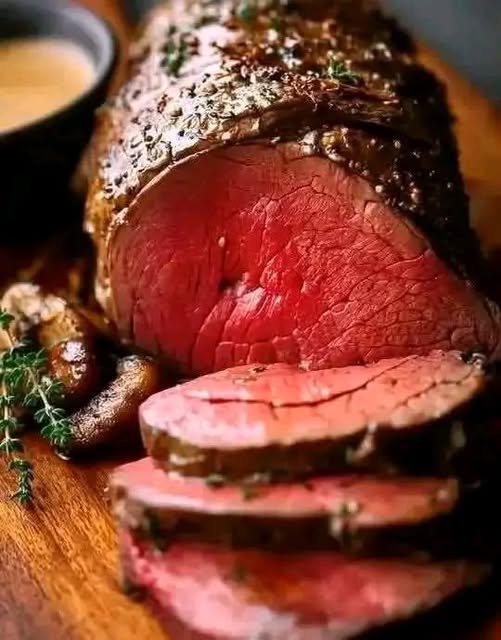
- Medium-Rare: 130-135°F (54-57°C) (Recommended for tenderloin)
- Medium: 135-140°F (57-60°C)
Remember that the temperature will rise by 5-10 degrees during resting.
- Rest the Tenderloin: Once the tenderloin reaches your desired internal temperature (or just below it), remove it from the oven and transfer it to a cutting board. Tent it loosely with foil and let it rest for at least 15-20 minutes. This crucial step allows the juices to redistribute throughout the meat, ensuring a tender and succulent roast. Do not skip resting!
- Make the Pan Sauce (Optional): While the tenderloin rests, you can make a simple pan sauce. Carefully pour off most of the fat from the skillet, leaving any browned bits (fond). Place the skillet back on the stovetop over medium heat. Pour in the beef broth, scraping up any browned bits from the bottom of the pan with a wooden spoon. Bring to a simmer and cook for 3-5 minutes, reducing slightly. If you desire a thicker sauce, whisk in 1 tablespoon of flour or cornstarch slurry (1 tablespoon cornstarch mixed with 1 tablespoon cold water) and simmer until thickened. Stir in 2 tablespoons of unsalted butter until melted and glossy. Season with salt and pepper to taste.
- Slice and Serve: Remove the twine from the rested tenderloin. Slice the tenderloin against the grain into thick medallions (about 1/2 to 1 inch thick). Arrange on a platter, garnish with fresh thyme sprigs and sautéed mushrooms if desired, and serve immediately with the pan sauce on the side.
Cooking Tips and Variations
Use a Meat Thermometer: This is the single most important tool for cooking beef tenderloin perfectly. Do not rely on cooking time alone, as oven temperatures and tenderloin sizes can vary. An instant-read thermometer will prevent overcooking, ensuring a juicy result.
Don’t Overcook: Beef tenderloin is a lean cut and can become dry and tough if overcooked. Aim for medium-rare to medium for the best texture and flavor. Remove it from the oven when it’s 5-10 degrees below your target final temperature, as it will continue to cook while resting.
Resting is Crucial: Seriously, do not skip the resting step! It allows the muscle fibers to relax and reabsorb juices, resulting in a significantly more tender and succulent roast. Cutting into it too soon will cause all those delicious juices to run out onto your cutting board.
Trimming Silver Skin: Take the time to properly trim the silver skin. It’s a tough membrane that won’t break down during cooking and will make the roast unpleasant to eat.
Tying for Evenness: Tying the tenderloin helps create a uniform shape, which promotes even cooking from end to end. If you have a butcher trim and tie it for you, even better!
Hot Pan for Searing: A very hot pan is essential for achieving a beautiful, flavorful crust. Don’t crowd the pan, and allow enough time for each side to brown properly.
Flavor Variations:
- Mustard & Herb: As included, Dijon mustard adds a tangy depth and helps the herb crust adhere.
- Garlic & Cracked Pepper: For a simpler, bold flavor, use only minced garlic and plenty of coarsely cracked black pepper.
- Espresso Rub: A small amount of finely ground espresso powder mixed into the rub can add a unique, earthy depth that complements beef beautifully.
- Spicy Kick: Add a pinch of red pepper flakes or cayenne pepper to your herb rub for a subtle heat.
- Bacon-Wrapped: For extra richness and flavor, wrap the tenderloin in thin strips of bacon before searing and roasting. Secure with kitchen twine.
Side Dish Pairings: Roasted asparagus, garlic mashed potatoes, creamy polenta, glazed carrots, or a simple green salad with a vinaigrette all complement beef tenderloin wonderfully.
Storage and Reheating
Storage: Leftover beef tenderloin should be stored in an airtight container in the refrigerator within two hours of cooking. It will keep for 3-4 days.
Reheating: Reheating beef tenderloin can be tricky, as it’s easy to dry it out.
- Oven Method (Recommended): Preheat your oven to 250-300°F (120-150°C). Place the sliced tenderloin on a baking sheet, optionally adding a splash of beef broth or water to keep it moist. Cover loosely with foil. Heat for 15-20 minutes, or until just warmed through. Avoid high heat.
- Skillet Method: Heat a small amount of beef broth or water in a skillet over low heat. Add sliced tenderloin and cover. Gently warm through for a few minutes, flipping once. Do not overcrowd the pan.
- Microwave (Use with Caution): While possible, the microwave is generally not recommended as it tends to make the meat tough and rubbery. If you must, heat individual slices on a low setting for short bursts (30 seconds) until just warm.
Frequently Asked Questions
What is beef tenderloin and why is it so expensive?
Beef tenderloin is a specific cut of beef from the short loin of the cow. It’s located along the spine and is a muscle that does very little work, making it incredibly tender. This tenderness is its primary appeal. It’s expensive because it’s a relatively small cut per animal, highly prized, and often requires significant trimming by butchers, all contributing to its premium price.
Can I prepare the herb rub in advance?
Yes, you can prepare the herb rub a day in advance. Store it in an airtight container in the refrigerator. Before using, let it come to room temperature for about 15-20 minutes. You can also apply the rub to the tenderloin up to 24 hours in advance and keep it refrigerated, allowing the flavors to penetrate deeper into the meat. Just be sure to bring the roast to room temperature for 30-60 minutes before cooking.
What if I don’t have fresh herbs?
While fresh herbs provide the best flavor, you can substitute dried herbs if necessary. As a general rule, use one-third the amount of dried herbs compared to fresh. For example, if the recipe calls for 2 tablespoons of fresh rosemary, use 2 teaspoons of dried rosemary. Be aware that the flavor profile might be slightly less vibrant.
How do I know if my tenderloin is trimmed properly?
A properly trimmed beef tenderloin should be free of any silverskin, which is a tough, silvery membrane that runs along parts of the muscle. It should also have most of the fat cap removed, leaving only a thin layer of fat, if any. If you’re unsure, ask your butcher to trim it for you. They can also tie it for even cooking.