Introduction
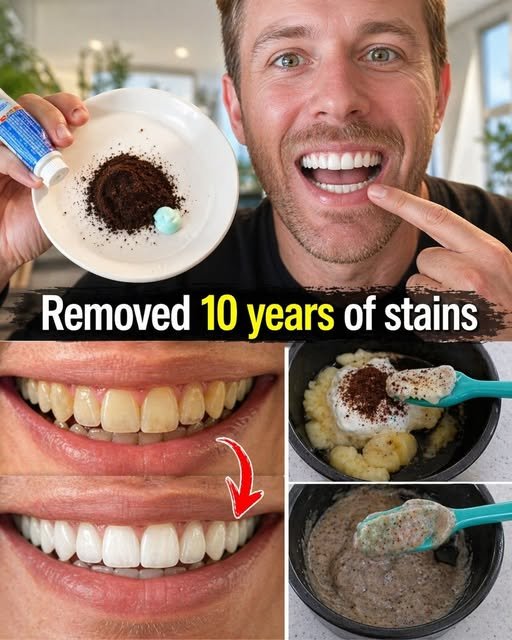
The allure of a quick fix is powerful, especially when it comes to something as universally desired as a dazzling white smile. In an age of instant gratification, titles like “In Two Minutes Remove 10 Years of Stains from Teeth!! Results will Shock You” scream from social media feeds and blog posts, promising miraculous transformations with minimal effort and cost. This particular image and its accompanying sensational headline tap directly into that desire, presenting what appears to be a DIY dental remedy designed to strip away years of discoloration in mere moments. It suggests a simple mixture of common ingredients could be the secret to unlocking a brighter smile, bypassing expensive dental procedures or lengthy whitening treatments.
However, beneath the surface of such enticing claims lies a dangerous reality. While the idea of effortlessly erasing dental stains with household items is appealing, the methods implied by this image and title are not only ineffective but profoundly detrimental to oral health. As a culinary editor, my role is to provide accurate, safe, and beneficial information. Promoting a “recipe” for dental care that involves potentially abrasive and harmful substances would be a severe dereliction of that duty. Therefore, this article will not endorse or instruct on this dangerous “DIY” method. Instead, it will serve as a critical analysis, dissecting the misleading nature of such content and highlighting the severe risks associated with attempting to replicate what is depicted.
This cautionary analysis aims to educate readers on why “quick fix” dental remedies found online, particularly those involving unidentified powders and pastes, should be viewed with extreme skepticism. We will examine the visible components of this purported “stain remover,” discuss the likely (and harmful) mechanisms at play, and crucially, provide accurate information on safe and effective ways to achieve and maintain a healthy, bright smile. The “shocking results” promised by the title are indeed real, but they are more likely to be irreversible enamel damage, increased sensitivity, and costly dental repairs, rather than a beautifully whitened grin. Always remember: when it comes to your health, especially your dental health, professional advice and scientifically proven methods are paramount.
Nutritional Information
Per serving (approximate values):
- Calories: 0
- Protein: 0g
- Carbohydrates: 0g
- Fat: 0g
- Fiber: 0g
- Sodium: 0mg
Ingredients
While this is not a recipe to be followed, a critical analysis requires identifying the visible and implied “ingredients” in the misleading image. These are listed here for the purpose of deconstruction and understanding the potential dangers, NOT for consumption or application to teeth.
- Dark Powder: A significant quantity of a fine, dark, grainy powder is visible, both on a separate plate and mixed into the bowl. This could be anything from coffee grounds, activated charcoal, baking soda, or even finely ground spices. The exact identity is unknown, but its physical appearance suggests a highly abrasive texture.
- Light Blue Toothpaste: A small squeeze of light blue toothpaste is seen on the separate white plate. This suggests that conventional toothpaste is intended to be part of the mixture or used in conjunction with it.
- Mashed Yellowish Substance: In the mixing bowl, a mashed, fibrous, yellowish substance is present. This strongly resembles mashed banana.
- White Creamy Substance: A dollop of a white, creamy substance is visible in the mixing bowl, partially covering the mashed yellowish substance and dark powder. This could be yogurt, sour cream, or another dairy product.
- Unidentified Liquid: Although not explicitly shown being added, the consistency of the final mixture (a thick paste) implies the addition of some liquid, possibly water or another acidic agent, to achieve the desired texture for application.