Instructions
- For the Mashed Potatoes: Place quartered potatoes in a large pot and cover with cold, salted water. Bring to a boil and cook until fork-tender, about 15-20 minutes. Drain well.
- Return drained potatoes to the hot pot over low heat for 1-2 minutes to dry them out. Mash with a potato masher or ricer.
- Heat milk and 1/4 cup sour cream (or cream cheese) in a small saucepan until warm. Add to mashed potatoes along with 2 tbsp butter. Mix until smooth and creamy. Season with salt and pepper to taste. Keep warm.
- For the Salmon and Shrimp: Pat salmon fillets and shrimp dry with paper towels. Season both sides of the salmon and shrimp generously with salt and black pepper.
- Melt 2 tbsp butter in a large skillet over medium-high heat. Once hot, add salmon fillets, skin-side down if applicable. Cook for 4-6 minutes per side, or until cooked through and flaky. Remove salmon from the skillet and set aside.
- Add the remaining 2 tbsp butter to the same skillet. Once melted, add minced garlic and cook for 1 minute until fragrant, being careful not to burn.
- Add shrimp to the skillet and cook for 2-3 minutes per side, or until pink and opaque.
- Stir in fresh parsley and lemon juice with the shrimp and garlic butter.
- To Serve: Divide mashed potatoes among plates. Top with salmon fillets and a generous serving of garlic butter shrimp. Spoon any remaining sauce from the skillet over the seafood.
Cooking Tips and Variations
For extra flavor in your mashed potatoes, roast a head of garlic and incorporate the soft cloves into the mash. A splash of chicken or vegetable broth can add more depth without adding much fat. When cooking the salmon, avoid over-flipping; let it develop a nice crust on each side. If using skin-on salmon, cook mostly skin-side down for crispy skin. For a spicy kick, add a pinch of red pepper flakes to the garlic butter. You can also add a tablespoon of white wine to the garlic butter sauce for a subtle acidity. Feel free to substitute half-and-half or heavy cream for milk in the mashed potatoes for an even richer texture. If you don’t have fresh parsley, dried parsley can be used, but use about 1 teaspoon instead of a tablespoon. This dish pairs wonderfully with a crisp Sauvignon Blanc or a light-bodied Pinot Grigio.
Storage and Reheating
Store leftover salmon, shrimp, and mashed potatoes separately in airtight containers in the refrigerator for up to 2-3 days. To reheat, gently warm the salmon and shrimp in a skillet over medium-low heat with a tablespoon of water or broth to prevent drying out, until just heated through. Avoid microwaving seafood, as it can become rubbery. Mashed potatoes can be reheated in the microwave, adding a splash of milk or butter if needed to restore creaminess, or gently in a saucepan on the stovetop.
Frequently Asked Questions
Can I use frozen salmon and shrimp?
Yes, you can use frozen salmon and shrimp. Ensure they are fully thawed before cooking. For best results, thaw overnight in the refrigerator. Pat them very dry before seasoning and cooking to prevent excess moisture from steaming the seafood instead of searing it.
How do I know when the salmon is cooked through?
Salmon is cooked when it easily flakes with a fork. The internal temperature should reach 145°F (63°C). Be careful not to overcook, as it can become dry. A slight translucency in the very center is acceptable if you prefer it medium-rare.
What can I substitute for mashed potatoes?
If you’re looking for an alternative to mashed potatoes, consider serving the garlic butter salmon and shrimp with roasted asparagus, steamed green beans, a simple side salad, or even cauliflower mash for a lower-carb option. Rice or quinoa would also be excellent choices to soak up the delicious garlic butter sauce.
Recipe 2: Lemon Herb Salmon and Shrimp with Rice and Broccoli
Nutritional Information
Per serving (approximate values):
- Calories: 580
- Protein: 50g
- Carbohydrates: 55g
- Fat: 20g
- Fiber: 6g
- Sodium: 550mg
Ingredients
- 4 (6 oz) salmon fillets
- 1 lb large shrimp, peeled and deveined
- 2 tbsp olive oil
- 1 tbsp fresh lemon juice
- 1 tsp lemon zest
- 1 tsp dried dill
- 1 tsp dried oregano
- 1/2 tsp garlic powder
- Salt and black pepper to taste
- 2 cups uncooked white rice
- 4 cups water or chicken broth
- 1 head broccoli, cut into florets
- 1 tbsp olive oil, for broccoli
- Salt and pepper for broccoli
Instructions
- Cook the Rice: Rinse rice thoroughly under cold water until water runs clear. In a medium saucepan, combine rinsed rice with water or broth. Bring to a boil, then reduce heat to low, cover, and simmer for 15-18 minutes, or until all liquid is absorbed. Remove from heat and let stand covered for 5 minutes, then fluff with a fork.
- Prepare the Broccoli: Preheat oven to 400°F (200°C). Toss broccoli florets with 1 tbsp olive oil, salt, and pepper on a baking sheet. Roast for 15-20 minutes, or until tender-crisp and slightly charred.
- Prepare the Seafood: Pat salmon fillets and shrimp dry with paper towels.
- In a small bowl, whisk together 2 tbsp olive oil, lemon juice, lemon zest, dried dill, dried oregano, garlic powder, salt, and black pepper.
- Place salmon fillets and shrimp in a large bowl or on a plate. Drizzle the lemon-herb mixture over both, ensuring they are well coated.
- Heat a large non-stick skillet over medium-high heat. Once hot, add salmon fillets, skin-side down if applicable. Cook for 4-6 minutes per side, or until cooked through and flaky. Remove salmon from the skillet and set aside.
- Add shrimp to the same skillet (add a touch more olive oil if needed). Cook for 2-3 minutes per side, or until pink and opaque.
- To Serve: Divide cooked rice among plates. Top with a salmon fillet, a serving of lemon herb shrimp, and roasted broccoli florets.
Cooking Tips and Variations
For an extra burst of freshness, garnish the finished dish with fresh chopped parsley or a few extra lemon wedges for squeezing. If you prefer a stronger lemon flavor, you can add another squeeze of lemon juice over the cooked seafood. Feel free to experiment with other herbs like dried thyme or a mixed Italian seasoning blend. For the rice, you can swap white rice for brown rice, quinoa, or even couscous, adjusting cooking times accordingly. To make cleaning easier, line your baking sheet for the broccoli with parchment paper. This dish pairs beautifully with a light-bodied white wine such as Pinot Grigio or a crisp Sauvignon Blanc. If you don’t have an oven, you can steam or blanch the broccoli, then sauté it briefly in the skillet with a little garlic.
Storage and Reheating
Store leftover salmon, shrimp, rice, and broccoli separately in airtight containers in the refrigerator for up to 2-3 days. To reheat, gently warm the salmon and shrimp in a skillet over medium-low heat with a tablespoon of water or broth to prevent drying. Avoid microwaving seafood. Rice and broccoli can be reheated in the microwave or in a skillet. If reheating broccoli in a skillet, add a small amount of water and cover briefly to re-steam.
Frequently Asked Questions
Can I cook the salmon and shrimp together?
While you can, it’s generally better to cook them separately. Salmon takes longer to cook than shrimp, and cooking them together might lead to overcooked shrimp or undercooked salmon. If your skillet is large enough, you can cook them side-by-side, but remove the shrimp as soon as they are done.
What kind of rice is best for this recipe?
Long-grain white rice like Basmati or Jasmine rice works wonderfully as it’s fluffy and doesn’t clump. Brown rice is also a great healthy alternative, but it will require a longer cooking time and more liquid.
Can I use fresh herbs instead of dried?
Absolutely! Fresh herbs will provide an even more vibrant flavor. If using fresh dill and oregano, use about 1 tablespoon of each, finely chopped, instead of 1 teaspoon dried. Add them towards the end of cooking or as a garnish to preserve their delicate flavor.
Recipe 3: Creamy Pasta with Salmon and Shrimp
Nutritional Information
Per serving (approximate values):
- Calories: 720
- Protein: 58g
- Carbohydrates: 70g
- Fat: 25g
- Fiber: 5g
- Sodium: 700mg
Ingredients
- 8 oz linguine or fettuccine pasta
- 2 tbsp olive oil
- 2 (6 oz) salmon fillets, cooked and flaked
- 1 lb large shrimp, peeled and deveined
- 1 small onion, finely chopped
- 3 cloves garlic, minced
- 1/2 cup dry white wine (like Pinot Grigio or Sauvignon Blanc), optional
- 1 1/2 cups heavy cream
- 1/2 cup grated Parmesan cheese, plus more for serving
- 1/4 cup fresh parsley, chopped
- Salt and black pepper to taste
- Pinch of red pepper flakes (optional)
Instructions
- Cook the Pasta: Bring a large pot of salted water to a rolling boil. Add pasta and cook according to package directions until al dente. Reserve 1 cup of pasta water before draining. Drain the pasta and set aside.
- Cook Salmon and Shrimp: While pasta is cooking, heat 1 tbsp olive oil in a large skillet over medium-high heat. Season salmon fillets with salt and pepper. Cook salmon for 4-6 minutes per side, or until cooked through and flaky. Remove from skillet, let cool slightly, then flake into bite-sized pieces.
- Add the remaining 1 tbsp olive oil to the same skillet. Add shrimp and cook for 2-3 minutes per side, until pink and opaque. Remove shrimp from skillet and set aside with the flaked salmon.
- Sauté Aromatics: Reduce heat to medium. Add chopped onion to the skillet and cook until softened, about 3-5 minutes. Add minced garlic and red pepper flakes (if using) and cook for 1 minute until fragrant.
- Deglaze (Optional): If using, pour in the white wine and scrape up any browned bits from the bottom of the skillet. Let it simmer for 2-3 minutes until slightly reduced.
- Make the Cream Sauce: Stir in the heavy cream. Bring to a gentle simmer and cook for 3-5 minutes, stirring occasionally, until the sauce slightly thickens.
- Combine: Add the cooked pasta to the skillet with the cream sauce. Toss to coat.
- Stir in the flaked salmon, cooked shrimp, and grated Parmesan cheese. If the sauce is too thick, add a splash of reserved pasta water until desired consistency is reached.
- Season with salt and black pepper to taste. Stir in fresh chopped parsley.
- Serve immediately, garnished with extra Parmesan cheese and fresh parsley.
Cooking Tips and Variations
For an even richer sauce, you can add a tablespoon of cream cheese or mascarpone along with the heavy cream. If you don’t have white wine, a splash of chicken broth or even a little extra lemon juice can add depth. For added vegetables, consider stirring in some sautéed spinach, sun-dried tomatoes, or blanched asparagus tips with the pasta. A sprinkle of fresh basil would also complement the flavors beautifully. Ensure your salmon is fully cooked but not overcooked before flaking, as it will continue to warm through in the sauce. This dish is excellent with a medium-bodied Chardonnay or a dry Rosé.
Storage and Reheating
Store leftover creamy pasta with salmon and shrimp in an airtight container in the refrigerator for up to 2 days. The sauce may thicken considerably upon cooling. To reheat, gently warm in a skillet over low heat, adding a splash of milk, cream, or chicken broth to loosen the sauce and prevent the pasta from drying out. Stir frequently. You can also microwave, but use short intervals and stir often. Be mindful not to overcook the seafood when reheating.
Frequently Asked Questions
Can I use other types of pasta?
Absolutely! This recipe works well with various pasta shapes. Penne, farfalle, or even spaghetti would be delicious alternatives to linguine or fettuccine. Choose a shape that can hold the creamy sauce well.
Is there a dairy-free alternative for the cream sauce?
Creating a dairy-free creamy sauce can be done using full-fat coconut milk (for a subtle coconut flavor) or a cashew cream (made by blending soaked cashews with water until smooth). The texture and flavor will be different, but still delicious. Nutritional yeast can add a cheesy flavor if you’re avoiding Parmesan.
How can I make this dish spicier?
To increase the heat, add more red pepper flakes to the garlic and onion mixture. You could also drizzle a little chili oil over the finished dish. For a smoky heat, a pinch of smoked paprika can be added along with the other spices.
Recipe 4: Salmon and Shrimp Stir-Fry with Vegetables
Nutritional Information
Per serving (approximate values):
- Calories: 480
- Protein: 45g
- Carbohydrates: 30g
- Fat: 20g
- Fiber: 7g
- Sodium: 750mg
Ingredients
- 1 tbsp sesame oil
- 1 lb salmon, cut into 1-inch cubes
- 1 lb large shrimp, peeled and deveined
- 1 red bell pepper, thinly sliced
- 1 green bell pepper, thinly sliced
- 1 cup broccoli florets
- 1 cup snap peas
- 2 carrots, julienned or thinly sliced
- 1 small onion, thinly sliced
- 3 cloves garlic, minced
- 1 tbsp fresh ginger, grated
- For the Stir-Fry Sauce:
- 1/4 cup soy sauce (low sodium)
- 2 tbsp rice vinegar
- 1 tbsp honey or maple syrup
- 1 tsp cornstarch
- 1/4 cup water or vegetable broth
- Cooked rice or noodles, for serving
- Sesame seeds and chopped green onions, for garnish
Instructions
- Prepare the Sauce: In a small bowl, whisk together soy sauce, rice vinegar, honey (or maple syrup), cornstarch, and water (or vegetable broth) until smooth. Set aside.
- Prepare Seafood: Pat salmon cubes and shrimp dry with paper towels. Season lightly with salt and pepper.
- Stir-Fry Salmon and Shrimp: Heat 1 tbsp sesame oil in a large wok or skillet over medium-high heat until shimmering.
- Add salmon cubes to the wok and cook for 2-3 minutes per side, until lightly browned and almost cooked through. Remove salmon from the wok and set aside.
- Add shrimp to the wok and cook for 1-2 minutes per side, until pink and opaque. Remove shrimp from the wok and set aside.
- Stir-Fry Vegetables: Add a little more sesame oil if needed. Add sliced onion, bell peppers, broccoli florets, and carrots to the wok. Stir-fry for 3-5 minutes until vegetables are tender-crisp.
- Add minced garlic and grated ginger to the vegetables. Stir-fry for 1 minute until fragrant.
- Combine and Sauce: Return the cooked salmon and shrimp to the wok with the vegetables.
- Give the prepared stir-fry sauce a quick whisk again, then pour it over the seafood and vegetables. Toss everything gently to coat, and cook for 1-2 minutes, or until the sauce thickens and coats the ingredients.
- Serve immediately over cooked rice or noodles, garnished with sesame seeds and chopped green onions.
Cooking Tips and Variations
For best results, ensure your wok or skillet is very hot before adding ingredients, and avoid overcrowding it, as this can steam the vegetables instead of stir-frying them. Cook in batches if necessary. You can customize the vegetables based on what you have on hand; bok choy, mushrooms, asparagus, or snow peas would also be excellent. For an added protein boost, consider adding some edamame to the stir-fry. If you prefer a spicier stir-fry, add a pinch of red pepper flakes or a drizzle of sriracha to the sauce. This dish pairs well with a light lager or an off-dry Riesling.
Storage and Reheating
Store leftover salmon and shrimp stir-fry in an airtight container in the refrigerator for up to 2 days. To reheat, warm gently in a skillet over medium heat, stirring occasionally, until heated through. You can add a splash of water or broth if the sauce has thickened too much. Avoid microwaving, as it can make the seafood rubbery and the vegetables soggy. The texture of the vegetables will be softer upon reheating.
Frequently Asked Questions
Can I prepare the stir-fry sauce in advance?
Yes, you can prepare the stir-fry sauce up to 2-3 days in advance and store it in an airtight container in the refrigerator. Give it a good whisk before adding it to your stir-fry, as the cornstarch may settle at the bottom.
What’s the best way to cut salmon for stir-fry?
Cut the salmon into 1-inch cubes. This size allows it to cook quickly and evenly without falling apart too much during the stir-frying process. Ensure all pieces are roughly the same size for consistent cooking.
Can I add noodles directly to the stir-fry?
Yes, you can! Cook your noodles (like lo mein or ramen noodles) separately according to package directions, then add them to the wok along with the cooked salmon and shrimp before adding the sauce. Toss everything together to coat for a delicious one-pan meal.
Recipe 5: Teriyaki Salmon and Shrimp with Rice
Nutritional Information
Per serving (approximate values):
- Calories: 600
- Protein: 52g
- Carbohydrates: 65g
- Fat: 18g
- Fiber: 3g
- Sodium: 800mg
Ingredients
- 4 (6 oz) salmon fillets
- 1 lb large shrimp, peeled and deveined
- 1/2 cup teriyaki sauce (store-bought or homemade)
- 1 tbsp olive oil or sesame oil
- 2 cloves garlic, minced
- 1 tsp fresh ginger, grated
- 2 cups cooked white rice, for serving
- Sesame seeds, for garnish
- Sliced green onions, for garnish
Instructions
- Marinate Seafood (Optional but Recommended): Place salmon fillets and shrimp in separate shallow dishes. Pour half of the teriyaki sauce over the salmon and the other half over the shrimp. Let marinate for at least 15 minutes at room temperature, or up to 30 minutes in the refrigerator. Do not marinate for too long, especially shrimp, as the acid can “cook” it.
- Cook Salmon: Heat 1 tbsp olive oil or sesame oil in a large non-stick skillet over medium-high heat.
- Remove salmon from marinade, letting excess drip off. Place salmon fillets, skin-side down if applicable, in the hot skillet. Cook for 4-6 minutes per side, or until cooked through and flaky. Remove salmon from skillet and set aside.
- Cook Shrimp: Add minced garlic and grated ginger to the same skillet and cook for 30 seconds until fragrant.
- Add shrimp (from marinade, letting excess drip off) to the skillet. Cook for 2-3 minutes per side, or until pink and opaque.
- To Serve: Divide cooked rice among plates. Top with a salmon fillet and a generous serving of teriyaki shrimp.
- Garnish with sesame seeds and sliced green onions.
Cooking Tips and Variations
For a homemade teriyaki sauce, combine 1/2 cup soy sauce, 1/4 cup mirin, 2 tbsp sake (optional), 2 tbsp brown sugar, 1 tsp grated ginger, and 1 clove minced garlic. Simmer until slightly thickened. To add vegetables, quickly stir-fry some broccoli florets, snap peas, or bell peppers in the same skillet after cooking the seafood, then toss with a little extra teriyaki sauce. For a spicier kick, add a pinch of red pepper flakes to the sauce. Ensure your skillet is hot enough to get a good sear on the salmon and shrimp. A light-bodied dry white wine, like a Pinot Blanc, or even a sake, would complement this dish.
Storage and Reheating
Store leftover teriyaki salmon and shrimp with rice in an airtight container in the refrigerator for up to 2 days. To reheat, gently warm the salmon and shrimp in a skillet over low heat with a tablespoon of water or broth to prevent drying out. Avoid microwaving seafood. Rice can be reheated in the microwave or in a saucepan with a splash of water.
Frequently Asked Questions
Can I bake or grill the salmon and shrimp instead of pan-frying?
Yes, absolutely! For baking, preheat your oven to 400°F (200°C). Place marinated salmon and shrimp on a baking sheet and bake for 12-18 minutes, or until cooked through. For grilling, place marinated salmon and shrimp (skewered, if desired) on a preheated grill over medium-high heat, cooking until done (about 4-6 minutes per side for salmon, 2-3 minutes per side for shrimp).
What if I don’t have fresh ginger?
If you don’t have fresh ginger, you can use ground ginger. Use about 1/2 teaspoon of ground ginger for every 1 teaspoon of fresh grated ginger. However, fresh ginger provides a much brighter and more pungent flavor.
How can I make my teriyaki sauce thicker?
If your teriyaki sauce isn’t thick enough, you can create a cornstarch slurry by mixing 1 teaspoon of cornstarch with 1 tablespoon of cold water. Add this mixture to the simmering sauce, stirring constantly, until it reaches your desired thickness. Be careful not to add too much at once.
Recipe 6: Glazed Salmon and Shrimp with Roasted Vegetables
Nutritional Information
Per serving (approximate values):
- Calories: 550
- Protein: 50g
- Carbohydrates: 35g
- Fat: 25g
- Fiber: 8g
- Sodium: 650mg
Ingredients
- 4 (6 oz) salmon fillets
- 1 lb large shrimp, peeled and deveined
- 2 cups mixed vegetables (e.g., asparagus, bell peppers, carrots, Brussels sprouts, red onion), chopped into bite-sized pieces
- 2 tbsp olive oil
- Salt and black pepper to taste
- For the Glaze:
- 1/4 cup honey or maple syrup
- 2 tbsp soy sauce (low sodium)
- 1 tbsp apple cider vinegar
- 1 tsp garlic powder
- 1/2 tsp ginger powder
- Pinch of red pepper flakes (optional)
- Fresh parsley or chives, chopped, for garnish
Instructions
- Preheat Oven & Prepare Vegetables: Preheat oven to 400°F (200°C). On a large baking sheet, toss the chopped mixed vegetables with 2 tbsp olive oil, salt, and black pepper. Spread them in a single layer.
- Roast Vegetables: Roast vegetables for 15-20 minutes, or until tender-crisp and slightly caramelized.
- Prepare the Glaze: While vegetables are roasting, whisk together honey (or maple syrup), soy sauce, apple cider vinegar, garlic powder, ginger powder, and red pepper flakes (if using) in a small bowl.
- Cook Salmon and Shrimp: Pat salmon fillets and shrimp dry with paper towels. Season lightly with salt and pepper.
- Heat a large non-stick skillet over medium-high heat. Add salmon fillets, skin-side down if applicable. Cook for 4-6 minutes per side, or until cooked through and flaky. Remove salmon from skillet and set aside.
- Add shrimp to the same skillet. Cook for 2-3 minutes per side, until pink and opaque.
- Glaze Seafood: Pour the prepared glaze into the skillet with the shrimp (or into a separate small saucepan). Bring to a simmer and cook for 1-2 minutes until slightly thickened.
- Return the cooked salmon and shrimp to the skillet with the glaze. Spoon the glaze over the seafood, ensuring it’s well coated.
- To Serve: Divide roasted vegetables among plates. Top each with a glazed salmon fillet and a serving of glazed shrimp. Drizzle any remaining glaze from the skillet over the dish.
- Garnish with fresh chopped parsley or chives.
Cooking Tips and Variations
For perfectly roasted vegetables, ensure they are in a single layer on the baking sheet and don’t overcrowd them. If you have a smaller oven or baking sheet, roast in two batches. You can customize the vegetables to your liking; sweet potatoes, zucchini, or cherry tomatoes would also be excellent. For a brighter glaze, add a squeeze of fresh orange juice. A touch of Dijon mustard can also add a nice tang to the glaze. This dish pairs well with a light-bodied Chardonnay or a dry Rosé. If you prefer to bake the salmon and shrimp, you can do so alongside the vegetables, adding them to the baking sheet for the last 10-15 minutes of roasting, brushing with glaze in the last few minutes.
Storage and Reheating
Store leftover glazed salmon and shrimp with roasted vegetables in an airtight container in the refrigerator for up to 2-3 days. To reheat, gently warm the salmon and shrimp in a skillet over low heat with a tablespoon of water or broth to prevent drying out. Avoid microwaving seafood. Roasted vegetables can be reheated in the oven or air fryer for best texture, or in a microwave for convenience, though they may soften further.
Frequently Asked Questions
Can I prepare the glaze ahead of time?
Yes, the glaze can be prepared up to 3-4 days in advance and stored in an airtight container in the refrigerator. Whisk it well before using, and gently heat it in a small saucepan before adding to the seafood.
What’s the best way to ensure the salmon and shrimp don’t dry out?
The key is not to overcook them. Salmon is done when it flakes easily, and shrimp turns pink and opaque. Using a meat thermometer can help, aiming for 145°F (63°C) for salmon. Glazing at the end also helps keep the seafood moist and flavorful.
Can I use different sweeteners in the glaze?
Absolutely. While honey and maple syrup offer distinct flavors, you can experiment with brown sugar, agave nectar, or even a sugar-free alternative, adjusting the quantity to your preferred sweetness level. Taste and adjust as you go.
Conclusion
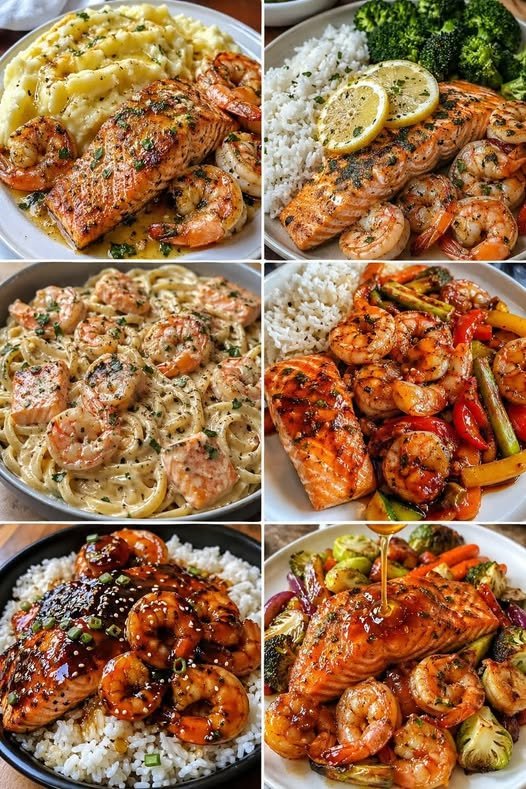
There you have it – six incredible ways to enjoy the magnificent pairing of salmon and shrimp! From the comforting embrace of garlic butter with mashed potatoes to the vibrant zest of lemon herb, the rich indulgence of creamy pasta, the quick and flavorful punch of a stir-fry, the classic appeal of teriyaki, and the irresistible sweetness of a glaze with roasted vegetables, we’ve explored a spectrum of culinary delights. Each recipe celebrates the inherent deliciousness and health benefits of these beloved seafood stars, proving their versatility in the kitchen.
We hope these recipes have inspired you to get creative and bring these fantastic flavors into your home. Whether you’re seeking a speedy weeknight meal or a dish to impress, salmon and shrimp are always a winner. Don’t be afraid to experiment with your favorite herbs, spices, and vegetables to make each recipe uniquely yours. The possibilities are truly endless when you start with such a fantastic foundation.
Now it’s your turn! We encourage you to try out these recipes and discover your new favorite. We’d love to hear about your culinary adventures. Share your creations, your personal twists, or any variations you come up with in the comments below. Happy cooking, and bon appétit!